


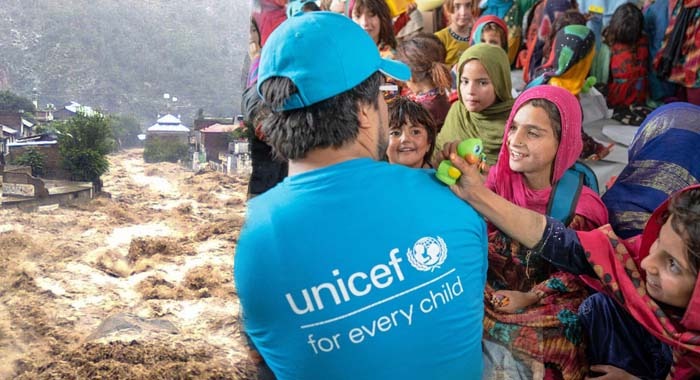
As torrential monsoon rains continue to wreak havoc across Pakistan, UNICEF has expressed deep sorrow over the rising death toll and devastation caused by recent flash floods in Khyber Pakhtunkhwa, where at least 333 lives have been lost since August 15, including 21 children.
In a statement issued by Pernille Ironside, UNICEF’s Representative in Pakistan, the organisation extended its heartfelt condolences to the grieving families and communities impacted by the disaster. "The toll on children is particularly heartbreaking," Ironside said, emphasising that the youngest and most vulnerable are once again bearing the brunt of a climate emergency they had no hand in creating.
UNICEF has already mobilised, dispatching emergency medical supplies to affected districts in Khyber Pakhtunkhwa and Gilgit-Baltistan, and has pledged to scale up its assistance as part of the Government of Pakistan’s coordinated response.
Also Read: Bajaur Grapples with Twin Crises: Flood Devastation and Ongoing Violence
The situation remains dire for children in the flood-hit regions. Mass displacement, contaminated water sources, school closures, and the destruction of basic infrastructure are posing immediate threats to children’s health, safety, and access to education. Thousands remain without clean drinking water or sanitation facilities, conditions that heighten the risk of disease outbreaks and malnutrition.
Adding to the crisis, many schools have been either damaged or repurposed as temporary shelters, cutting off learning opportunities and safe spaces for displaced children.
The floods have also exposed children to heightened protection risks, including exploitation and abuse. Many are in desperate need of psycho-social support to process trauma and loss.
This year’s monsoon has been particularly harsh, with rainfall measuring 50–60% higher than in 2024. Since June 26, floods have claimed the lives of 171 children and injured over 250 more, a grim indicator of how climate-induced disasters are becoming deadlier for Pakistan’s youth.
With more heavy rains, cloudbursts, and flash floods expected to continue through mid-September, UNICEF has placed its teams on high alert, coordinating closely with partners to deliver emergency aid, restore essential services, and help affected families recover.
UNICEF reaffirmed its commitment to not only respond to the current disaster but also work toward building long-term resilience for children and communities facing the mounting impact of climate change.



1.jpeg)

Comments
No comments yet. Be the first 🙂