


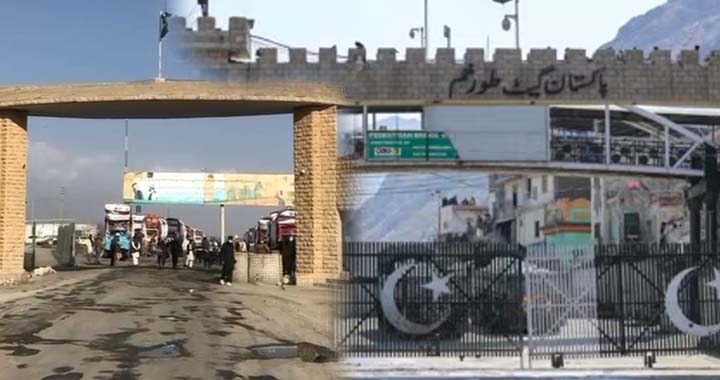
Authorities have completed preparations to reopen the Torkham border crossing for trade, nine days after it was closed for all types of movement amid rising tensions between Pakistan and Afghanistan.
However, the Kharlachi border in Kurram district remains closed for the ninth consecutive day, bringing cross-border trade between the two countries to a complete halt and causing a sharp rise in food prices in local markets.
According to customs officials, scanners have been installed at the Torkham terminal to facilitate cargo clearance, and staff have been directed to report for duty immediately. The reopening is expected to restore the flow of trade and transit between Pakistan and Afghanistan.
The Torkham border was sealed nine days ago following diplomatic and security tensions between Pakistan and Afghanistan. Dozens of vehicles carrying fruits, vegetables, and other goods bound for Afghanistan had been stranded on the Pakistani side.
In addition to Torkham, the Ghulam Khan crossing in North Waziristan and Angoor Adda in South Waziristan were also closed during the standoff.
Meanwhile, cross-border trade between Pakistan and Afghanistan has come to a complete halt as the Kharlachi border in Kurram district remains closed for the ninth consecutive day, leading to a sharp rise in prices of food items and fruits in local markets.
According to traders, the closure of the border due to ongoing tensions between Pakistan and Afghanistan has severely disrupted commercial activity on both sides. Shortages of essential goods, including fruits and vegetables, have been reported, and business operations have largely come to a standstill.
Residents say the surge in food prices has made daily life increasingly difficult, with low-income families being the hardest hit.
Local trader leader Kamran Syed said that the prolonged border closure has caused financial losses amounting to tens of millions of rupees. He urged the government to temporarily reopen the crossing to allow stranded goods and vehicles to move across, minimizing further economic damage.
Due to the disruption, the price of tomatoes has exceeded Rs 250 per kilogram in local markets. Both traders and residents are facing severe hardships, and local circles have called on the government to take urgent steps to resolve the situation.



1.jpeg)
Comments
No comments yet. Be the first 🙂