


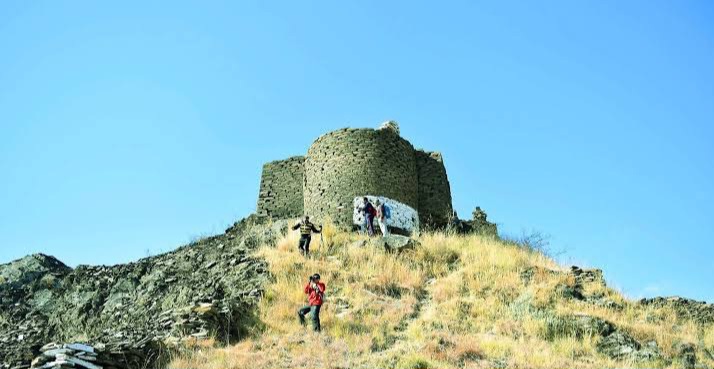
In the ancient history of Swat, Raja Gira is remembered as a ruler who, according to local traditions, was the last non-Muslim ruler of the region.
According to historical accounts and oral traditions, he was an influential king whose era is linked to the early political and cultural formation of Swat. Over time, his name has not remained confined to history alone; even today, several tribes in Swat, Dir and Kohistan trace their lineage back to him, making the subject not just a part of the past but also of present-day identity.
In this regard, a local teacher from the Gawri community, Dr Bilal, explained the tradition with historical references, saying:
“We Gawris are descendants of Raja Gira.
This is also mentioned in historical books such as Parvez Shaheen’s ‘Da Swat Gulona’, S.H. Godfrey’s article ‘A Summer Exploration in Upper Punjkora’, and the historical work ‘Dir Kohistan’, which confirm that Raja Gira belonged to the Gawri branch of the Dardic people.
When Mahmud of Ghazni attacked Barikot and Odigram in Swat during the 11th century, Raja Gira was killed while fighting. His son Raja Bira and their people, the Gawris, migrated to different regions. Later, they settled in Punjkora, Dir and Lamoti.
Gradually, after accepting Islam, they returned to parts of Swat. Today, nearly 200,000 people speak the Gawri language, most of whom live in Kalam, Kohistan, Bisham and Dir.”
On the other hand, Torwali community representative, social activist and independent researcher Zubair Torwali describes this history as a shared ethnic continuity.
He said:
“We Torwalis also consider Raja Gira our last king.
Different historical sources suggest that the Gawri and Torwali people are actually of the same origin. Their culture is similar, and originally they even shared the same language, but over time linguistic differences emerged due to migration to different regions.
Also Read : ‘Eight months of losses’: Landi Kotal transporters seek government action on stranded vehicles
Khowar, Dardic, Kohistani and Torwali — these are all different names for the same ethnic roots, and all regard Raja Gira as their last ruler. Raja Gira was a Hindu Shahi king, while some historians and local elders also associate him with Buddhism.
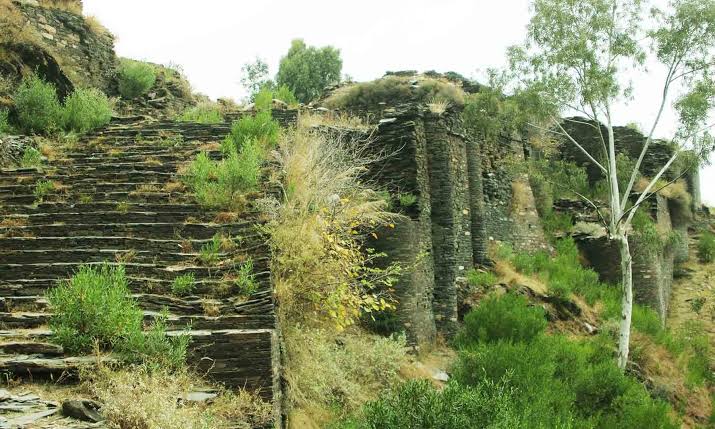
When Mahmud of Ghazni invaded in the 11th century, Raja Gira’s son Bira led the Gawri, Torwali and other Dardic groups towards Dir and Lamoti. The remains of their forts still exist in Barikot and Odigram in Swat.
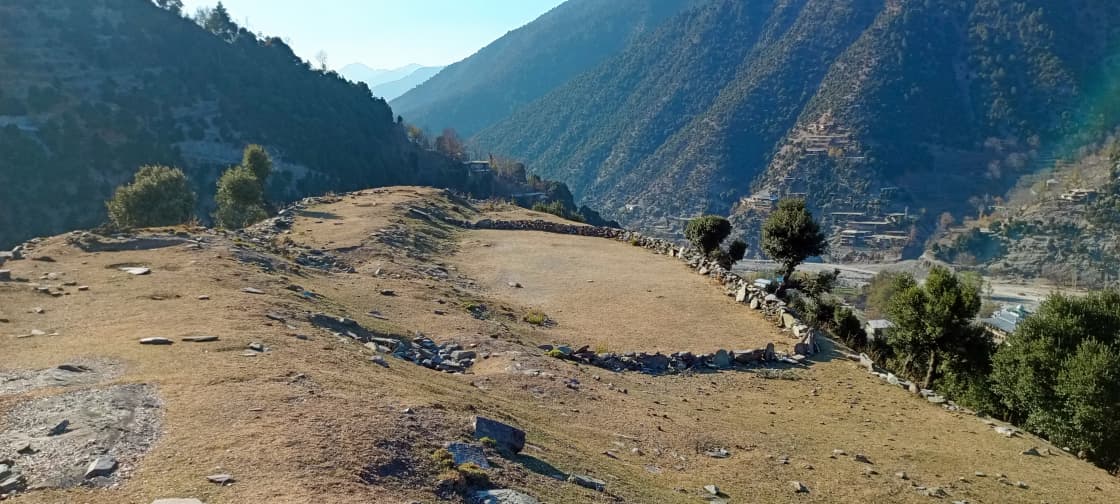
After Raja Gira’s defeat, these tribes came to be called Kohistanis, a Persian term meaning ‘people of the mountains’. At that time there was no clear distinction among them. Later, based on language and geography, separate identities emerged — some began calling themselves Torwali, some Gawri and others Kohistani.
Some descendants of Raja Gira accepted Islam after the 11th-century invasions, while many converted during the 16th century when the Yousafzai Pashtun tribes entered Swat. Today, all Torwali, Gawri and Kohistani communities are Muslim.
The Torwali population today is estimated at around 150,000, with nearly 100,000 living in Bahrain, Swat, while around 50,000 reside in Quetta, Karachi, Lahore, Peshawar and Rawalpindi for employment.”
According to local historians, stories associated with Raja Gira still form part of the collective memory of people in Kohistan and Upper Swat.
Local historian Gumnam Kohistani says:
“Although historians differ on whether there was actually a local ruler of Swat named Raja Gira, some researchers describe him as the last non-Muslim ruler of Swat or a local governor during the Hindu Shahi era. As far as local traditions are concerned, there is strong evidence supporting these accounts.
The Gawri tribes living in Upper Swat and Dir, along with the Torwali tribe, consider him their ancestor. Historical traditions also mention his daughter Manja Devi, his son Pir Raja, and Pir Khushhal, commander of the Islamic forces.
There are detailed accounts about the relationship between Manja Devi and Khushhal, the killing of Pir Khushhal, Raja Gira’s defeat, and his migration towards Upper Punjkora, where he reportedly died on the way.
These traditions have been passed down from generation to generation, and British explorer S.H. Godfrey, who visited Dir Kohistan in 1912, also mentioned them in his book ‘A Summer Exploration of Punjkora Valley’.
He further stated that Raja Bira is also mentioned in local traditions, along with stories, forts and lineages associated with him.
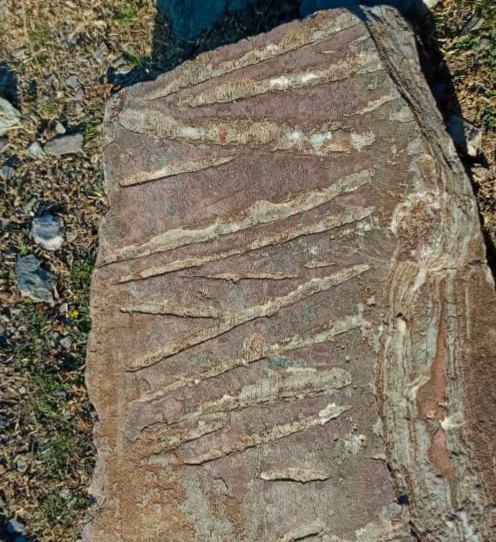
These traditions belong to local communities that migrated from Lower Dir, Swat and Bajaur to Upper Swat and Dir Kohistan during different phases of Islamisation.
He added that there is a deep connection between the Gandhara and Dardic tribes. Language, culture and local history suggest that present-day Dardic tribes are remnants of ancient Gandharan groups who migrated and settled in mountainous regions during different periods.
Particularly in the 15th and 16th centuries, when the Yousafzai tribes entered Swat, many Dardic communities moved towards the mountains.
According to him, both Gawri and Torwali are Dardic-origin peoples who have lived in the Hindu Kush region for thousands of years. Ancient Sanskrit and Greek historians also referred to these tribes under different names.
The ancient name of the Punjkora River was ‘Gori’, and the people living along it came to be known as Gawri.
The Yousafzai tribes gradually gained control of the region during the 15th century, forcing many local Dardic communities into the mountainous areas.
This entire historical process involved migration, cultural transformation and the emergence of new identities, the effects of which can still be seen today in the region’s languages, culture and social structure.”
He further added that Raja Gira occupies an important place in both history and oral tradition.
“He is not merely a historical reference but a living tradition that remains part of the identity and collective memory of the people even today.”

1.jpeg)
Comments
No comments yet. Be the first 🙂