


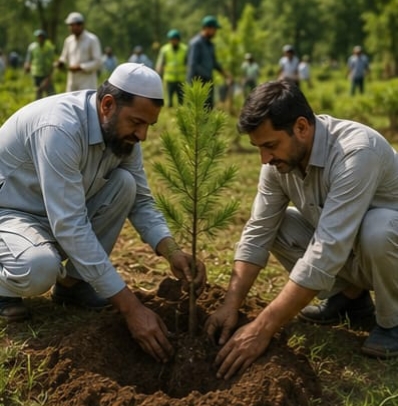
The changing weather patterns in Khyber Pakhtunkhwa, rising temperatures, irregular rainfall, and increasing risks of natural disasters have made the importance of trees greater than ever before. According to environmental experts, tree plantation is no longer merely a way to enhance beauty or increase greenery; it has become a fundamental necessity for protecting human life, public health, and the environment.
Keeping this situation in view, the Khyber Pakhtunkhwa government has launched its Monsoon Tree Plantation Campaign, under which millions of saplings are planned to be planted across the province.
According to the provincial government, the campaign aims to make Khyber Pakhtunkhwa greener and reduce the impacts of climate change. However, experts stress that the campaign’s real success will depend not only on planting trees but also on ensuring their long-term care and protection.
Khyber Pakhtunkhwa Information Minister Shafi Jan said that 2 million saplings will be planted across the province during the monsoon plantation campaign. In addition, a target has been set to plant another 1.4 million saplings on August 14, Pakistan’s Independence Day.
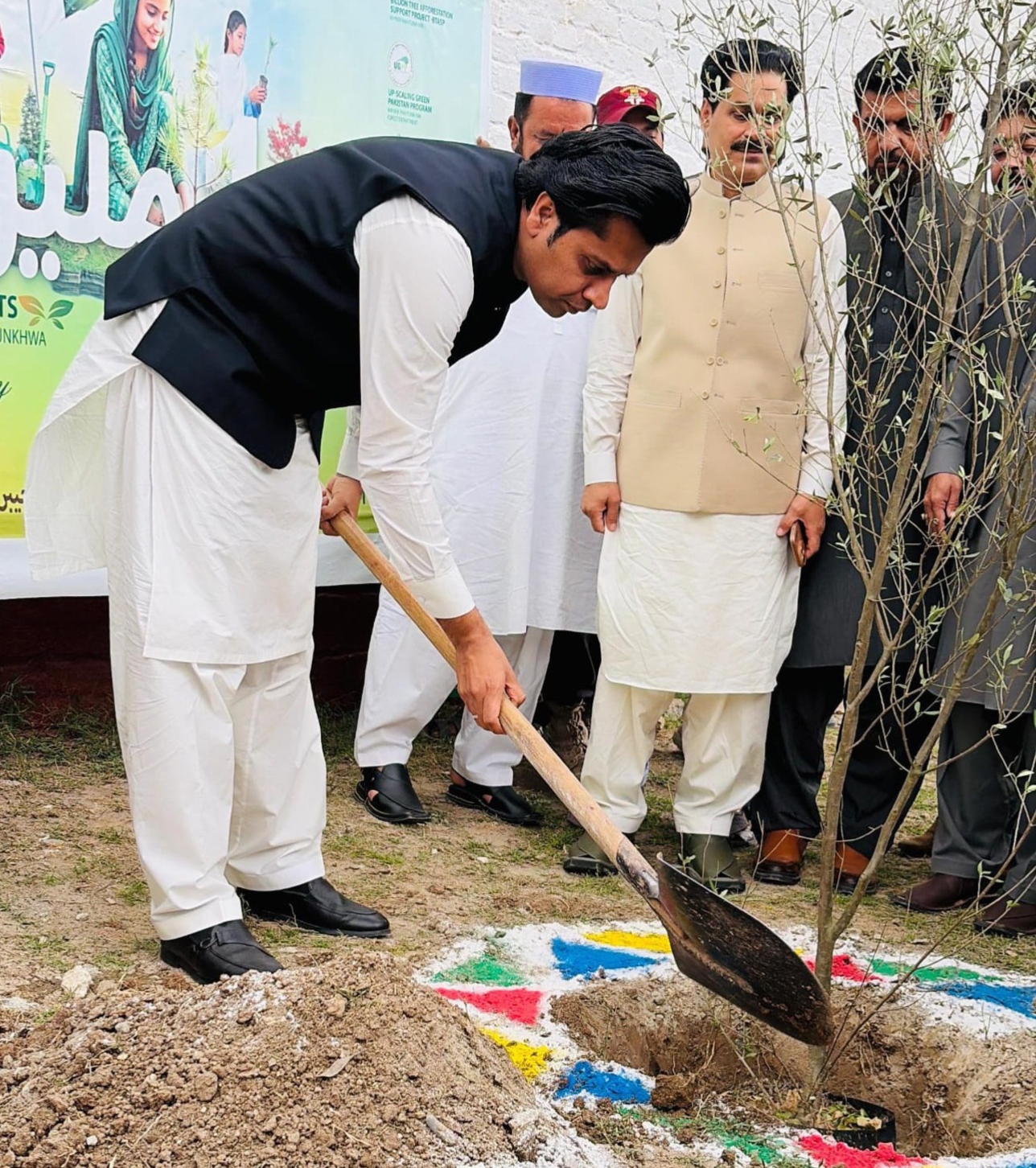
According to Shafi Jan, under the “Peshawar Azmat-e-Rafta Revival Programme,” afforestation will be carried out over 10,000 kanals of land in the Spin Khak area to restore Peshawar’s greenery. A total of 540,000 saplings will be planted there. The project also includes the establishment of orchards on 200 kanals and the plantation of 20,000 olive trees.
He added that 20 Miyawaki forests will be established across Peshawar to improve the urban environment, while 40,000 fruit-bearing trees will be planted in educational institutions and other government buildings. According to him, fruit-bearing trees provide a natural habitat for birds and play an important role in maintaining ecological balance.
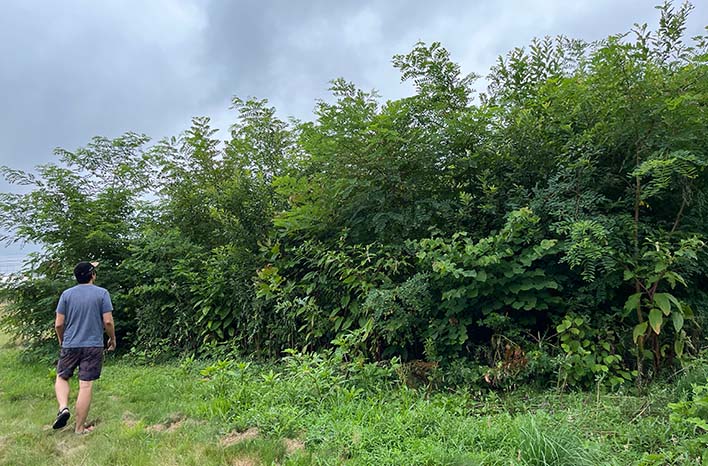
Shafi Jan further said that the provincial government has allocated funds for several forestry initiatives, including Rs1 billion for the Ten Billion Tree Upscaling Green Pakistan Programme, Rs500 million for the Billion Tree Plus Programme, and Rs500 million for the Billion Tree Afforestation Support Project.
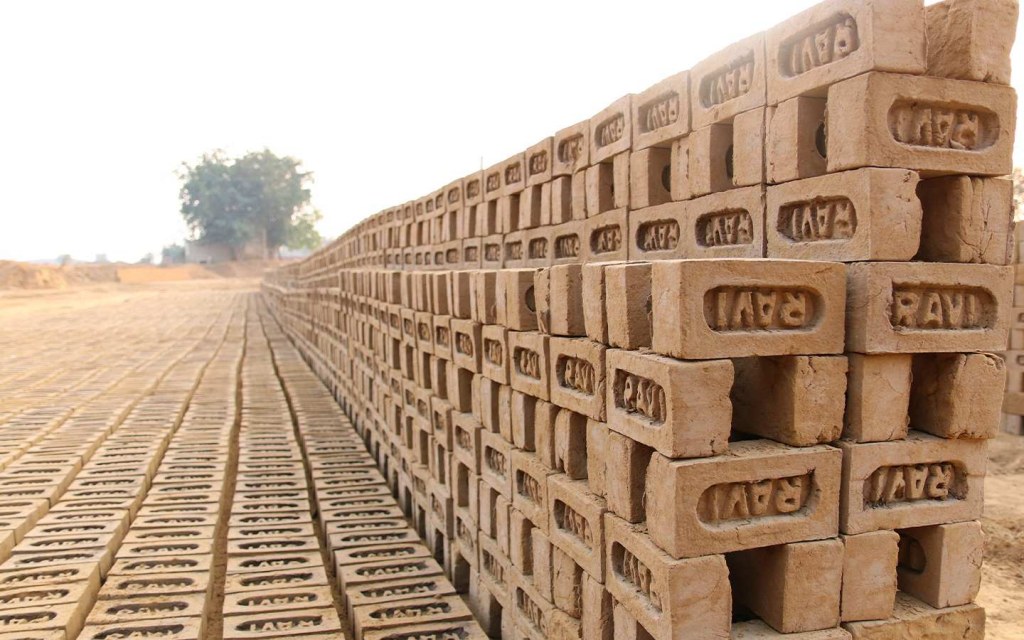
He said that Rs98 million has also been allocated for various environmental initiatives, including measures to convert brick kilns to zigzag technology.
According to him, Khyber Pakhtunkhwa is home to nearly 45 percent of Pakistan’s total forest area, and greater public participation can help make the province even greener.
On the other hand, experts believe that greater attention should be paid to the survival of trees rather than simply increasing the number planted.
According to Dawn journalist Manzoor Ali, who reports on environmental and governance issues in Peshawar, previous large-scale tree plantation projects in Khyber Pakhtunkhwa have demonstrated that with proper planning and continuous maintenance, planted saplings can develop into dense forests within a few years.
Manzoor Ali said that during the Billion Tree Tsunami project between 2013 and 2018, large-scale afforestation was carried out, resulting in a significant increase in tree cover in Peshawar and several other areas, which stands as one of the project's notable successes.
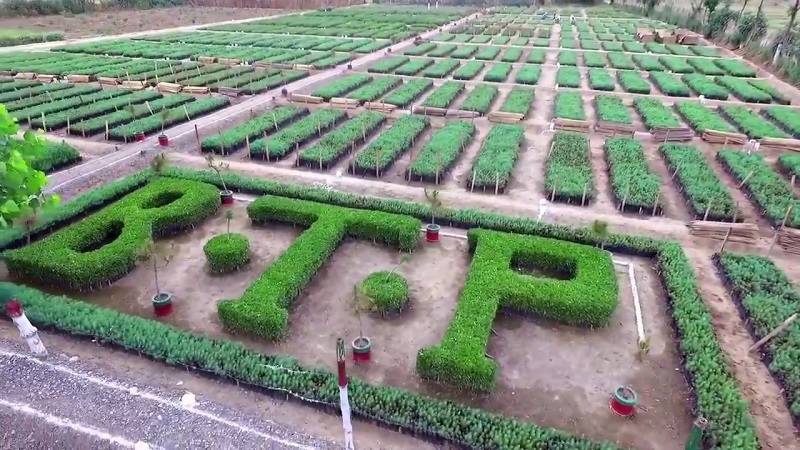
He said that the Billion Tree Tsunami project was not regarded as a successful initiative limited to Khyber Pakhtunkhwa alone; rather, it was recognized globally as a model because it demonstrated the benefits of large-scale afforestation.
According to Manzoor Ali, the current situation calls for more tree plantation in Peshawar and the southern districts, as these areas are experiencing extreme heat. He said Peshawar is a major commercial city where construction and population are increasing rapidly, making it essential to expand tree cover to help reduce rising temperatures.
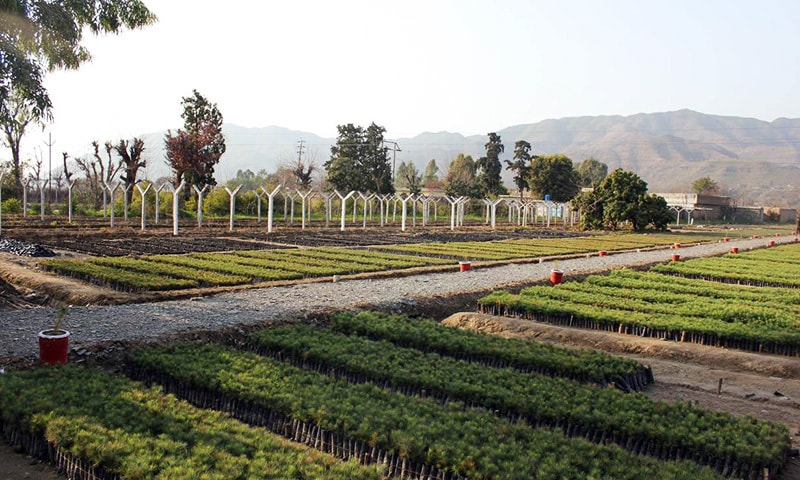
He noted that in the past, heat in Peshawar was mainly felt during the daytime, but now temperatures remain high even at night. If weather patterns continue to change in this way, living in the city could become even more difficult in the future.
According to Manzoor Ali, the provincial government had also set a target of planting two million trees during the previous spring plantation campaign, and if the current initiative is implemented successfully, it is expected to produce positive long-term results.
He said that children and young people should be encouraged to participate in tree plantation campaigns because they will play a key role in protecting the environment in the future. According to him, today's younger generation should understand that trees are as valuable as precious resources and are essential for the survival and well-being of future generations.
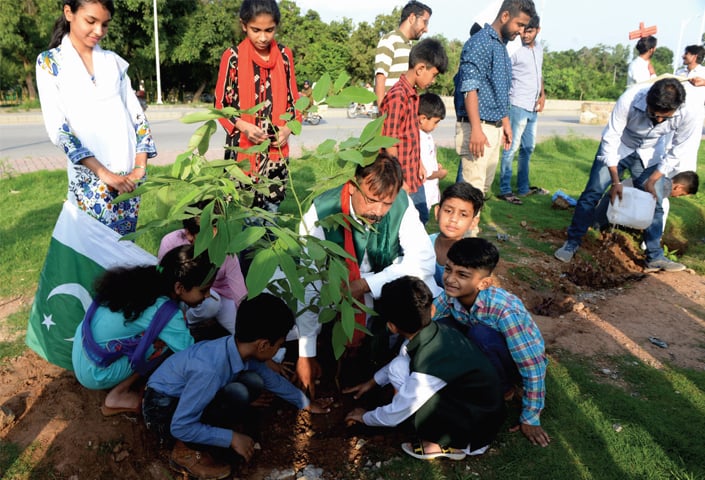
Manzoor Ali said that if the government provides free saplings, he is willing to voluntarily participate in plantation drives and also raise public awareness about the importance of trees through the media.
He suggested that the government should not limit plantation efforts to new sites alone but should also replace trees that have been lost in existing green spaces. According to him, many trees dating back to the British era still exist in areas such as Peshawar Cantonment, but those that have died or been removed should be replaced with new ones.
Manzoor Ali also emphasized that selecting suitable tree species for each region is essential. He said trees should be planted according to the local soil and climatic conditions. In his view, instead of planting species such as date palms in Peshawar, preference should be given to native species that are better suited to the local environment, as date palms are naturally adapted to desert regions.

He further said that many countries enforce strict restrictions on tree cutting, while Pakistan also needs effective measures to curb the unnecessary felling of trees in order to build a more environmentally sustainable society.
The importance of trees extends far beyond enhancing the beauty of cities; they also play a fundamental role in maintaining ecological balance. According to environmental experts, tree plantation is an effective way to mitigate the impacts of climate change. However, success depends on selecting species that are suitable for local environmental conditions and ensuring their long-term protection.
In this regard, Dr. Fayyaz Amin, a lecturer in the Department of Environmental Sciences at the University of Swat and a PhD scholar, said that trees are critically important for the environment because they help reduce extreme heat, lower flood risks, and control air pollution.
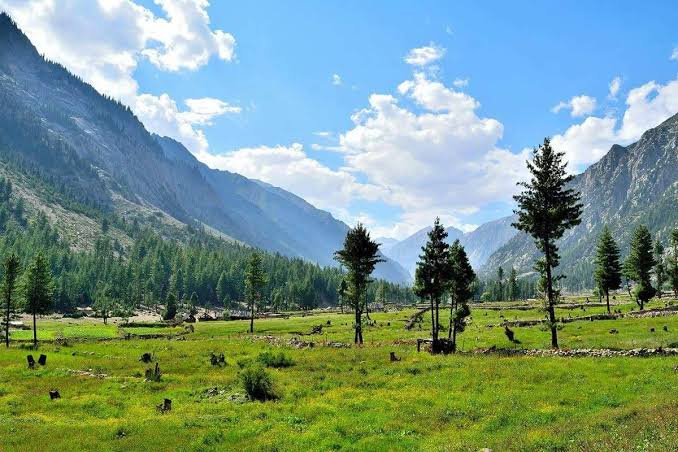
According to him, areas with greater tree cover experience less severe heatwaves, while regions with fewer trees tend to face higher temperatures. He said that the southern districts, where temperatures are already high and flooding often occurs during the rainy season, are particularly affected by the lack of trees.
Dr. Fayyaz Amin explained that tree roots help absorb water into the soil, reducing the speed of rainwater runoff and minimizing flood-related damage. He added that large-scale afforestation is urgently needed in southern districts such as Dera Ismail Khan, Lakki Marwat, as well as in Peshawar and Mardan, where the intensity of heat has become increasingly severe.

He said that trees not only help improve the climate but also benefit the agricultural system. Areas with more trees tend to have larger bird populations, which help control insects and pests that damage crops, ultimately benefiting agriculture.
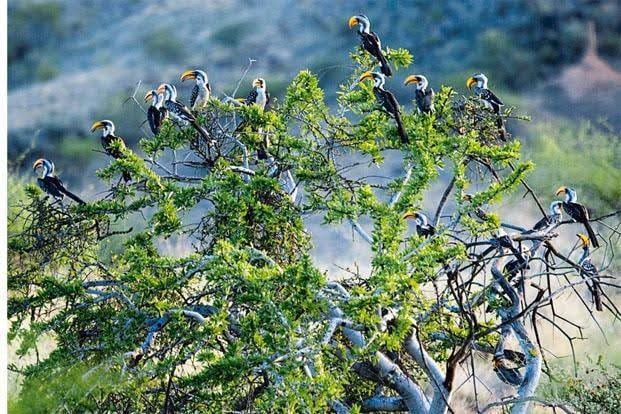
According to Dr. Fayyaz Amin, a green environment also has a positive impact on mental health. He said people often visit green spaces to find peace of mind and enjoy a healthier environment, as trees and greenery positively influence both mood and overall well-being.
He added that the Malakand Division is an environmentally significant region because it contains eight of the world's ten major ecosystems. For this reason, protecting the forests in the region is of critical importance.
Dr. Fayyaz Amin said that the decline in forest cover over recent years has exposed the Malakand Division to various environmental challenges. According to him, preventing deforestation, eliminating illegal activities, and conserving natural resources have become urgent priorities.
He further explained that one of the reasons for the increasing concentration of carbon dioxide in the atmosphere is the decline in tree cover. Trees absorb carbon dioxide and release oxygen, and when their numbers decrease, the natural process of carbon absorption is weakened, leading to higher levels of air pollution.
According to Dr. Fayyaz Amin, it is essential to assess the soil, water availability, and climatic conditions of each area before launching plantation activities. He said that in Peshawar and the southern districts, tree species capable of withstanding high temperatures should be planted, while northern areas should be planted with species suited to their local environmental conditions.
He said that species such as shisham, acacia, and jujube may be suitable for Peshawar and other hot regions, whereas deodar, chir pine, walnut, and plum are likely to perform better in northern areas.
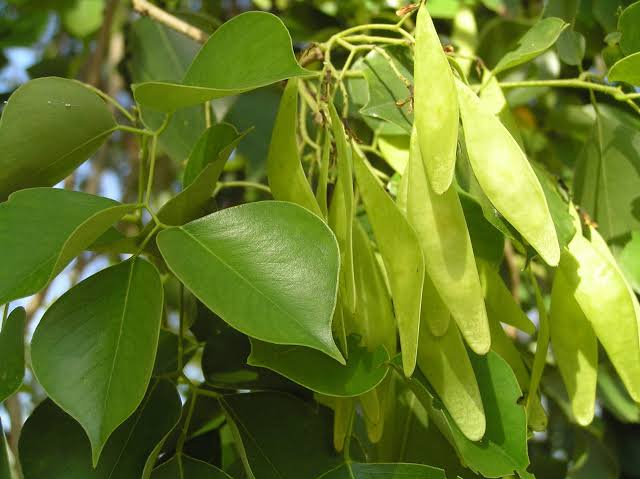
However, environmental assessments should be conducted before any plantation campaign to ensure the survival and healthy growth of the saplings.
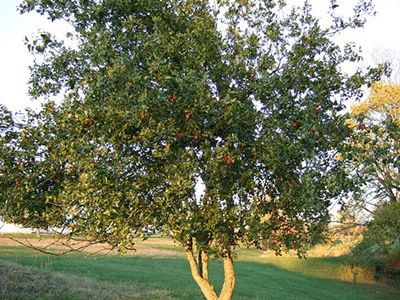
He also recommended that drought-tolerant tree species be planted in water-scarce areas. According to him, native species adapted to local environmental conditions help conserve water and improve the environment. He further suggested planting lychee trees in areas facing water shortages to help address water scarcity.
Dr. Fayyaz Amin stressed that planting saplings alone is not enough; their care and maintenance are equally important. He said plantation efforts should not end with planting a sapling and taking a photograph. Citizens should regularly water the plants, help prevent tree cutting, and report cases of illegal logging to the relevant authorities.
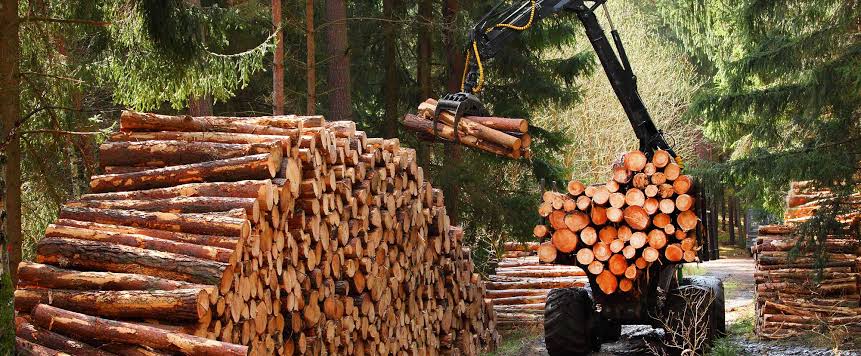
According to environmental experts, protecting saplings after plantation is the most critical stage, as even large-scale afforestation projects cannot achieve their intended outcomes without proper maintenance.
In this regard, Muhammad Shakeel, Divisional Forest Officer Peshawar and Director of the Communication Cell at the Khyber Pakhtunkhwa Forest Department, said that the department organizes two major tree plantation campaigns every year—one during the spring season and the other during the monsoon.
According to Muhammad Shakeel, the department plans to plant 3.4 million saplings across the province during this year's monsoon plantation campaign. Of these, two million will be planted as part of the monsoon campaign, while another 1.4 million will be planted on August 14.
Also Read : Monsoon 2026: Be Prepared Before the Next Flood Strikes
He said that the Forest Department had previously set a record by planting 1.1 million saplings in a single day on March 23, and has now set a new target of planting 1.4 million saplings in one day.
According to Muhammad Shakeel, the Forest Department prepares a four-year management plan for every plantation project. During the first phase, experts assess the area to determine which tree species are most suitable before plantation begins.
He explained that after the saplings are planted in the first year, they are monitored and maintained for the following three years. Special staff are assigned for this purpose, particularly in the southern districts where temperatures are high and water is scarce. If any sapling dies, it is replaced with a new one.
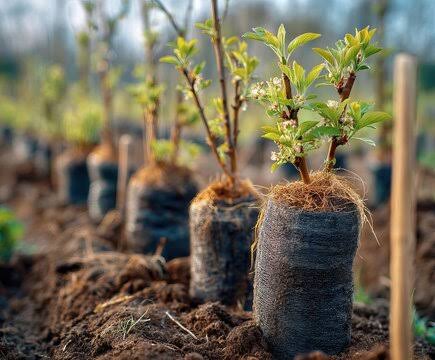
According to Muhammad Shakeel, after approximately four years, the trees become well established, adapt to the natural environment, and are generally able to survive without intensive care.
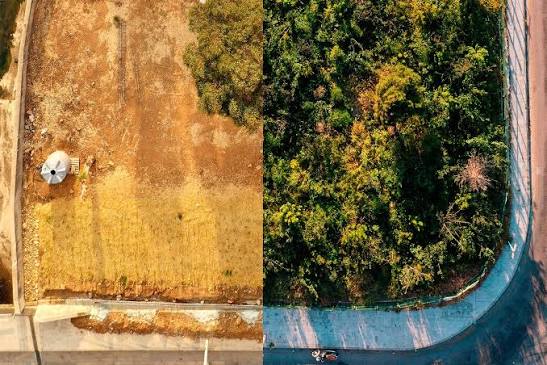
Speaking about Miyawaki forests, he explained that there is a clear difference between conventional plantation and the Miyawaki method. Conventional plantation can be carried out in different areas, whereas the Miyawaki technique, developed in Japan, is specifically designed to grow dense forests in limited urban spaces.
He said that Miyawaki forests require specially prepared soil, appropriate nutrients, and carefully selected native species, enabling trees to grow much faster. In cities such as Peshawar, where available land is limited, Miyawaki forests can play an important role in improving the urban environment.
According to Muhammad Shakeel, the Forest Department involves students, schools, colleges, and universities in every plantation campaign to encourage the younger generation to contribute to environmental conservation.
He added that free saplings are also provided to citizens who wish to plant trees in their homes, farms, or neighbourhoods. Applicants are required to submit a request along with proof of identity to ensure that the saplings will be properly cared for after planting.
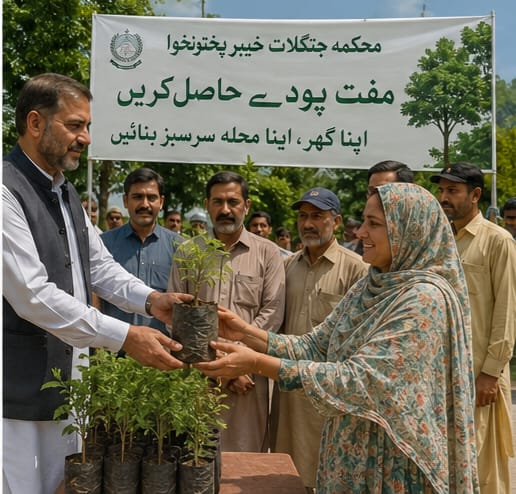
According to environmental experts, the ongoing plantation campaign in Khyber Pakhtunkhwa is an important effort to address the growing threats posed by climate change. However, its real success will depend on whether the millions of planted saplings survive and eventually develop into healthy forests. This can only be achieved if their protection is treated as a shared responsibility.
Trees are not only a means of improving the environment today; they are also a guarantee of cleaner air, a healthier climate, and a safer future for generations to come.
.jpeg)
.png)
1.jpeg)




Comments
No comments yet. Be the first 🙂