


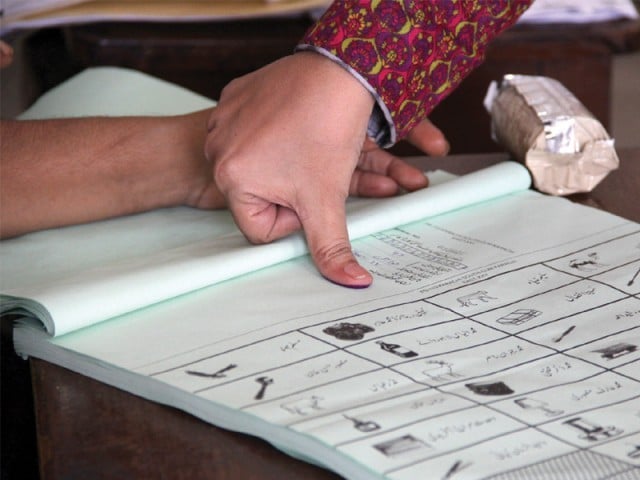
According to Article 51 of the Constitution of Pakistan, the minimum voting age in Pakistan is 18 years. This condition was changed during the rule of former President General Pervez Musharraf through the Legal Framework Order (Conduct of General Elections Order 2002), when the voting age was reduced from 21 years to 18 years.
Later, through the 18th Constitutional Amendment in 2010, this decision was given constitutional protection and the age of 18 years was retained in Article 51.
Currently, political and media circles in the country are debating the proposed 28th Constitutional Amendment, which, along with other possible constitutional changes, also includes a proposal to change the minimum voting age.
Also Read : 22 Militants Killed in North Waziristan Operation, Says ISPR
The debate intensified after a video went viral on social media showing Prime Minister’s Adviser on Political Affairs Rana Sanaullah speaking on a private TV program. He was heard saying that the proposed 28th Constitutional Amendment is considering increasing the voter age to 25 years because the minimum age to contest elections is already 25, and a person becomes more responsible at that age. According to him, casting a vote is an even greater responsibility.
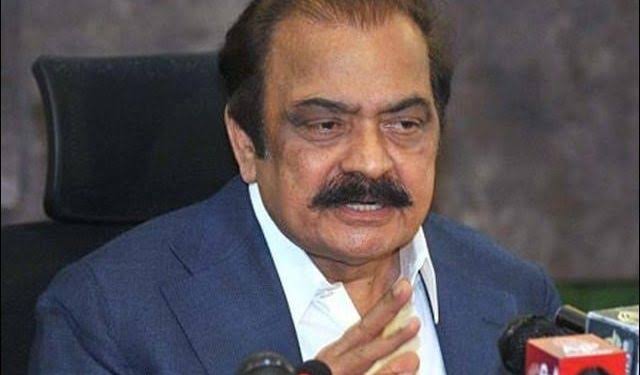
During the same discussion, voices from government circles also suggested that increasing the voting age from 18 to either 21 or 25 years is under consideration.
Some circles are viewing this possible change in a political context, arguing that it could reduce the influence of the youth vote bank, while the government’s stance links it to political awareness and responsibility. Various political and social reactions have also emerged on the matter.
The head of Pakistan Rights Movement, Mushtaq Ahmad, described the proposal as an attack on the voting rights of youth. He stated that whether the age is raised to 25 or even 50, the public will still reject policies that have caused inflation and unemployment. He added that young people should resist in defense of their rights.
According to legal expert Ali Gohar, introducing a constitutional amendment is not difficult for the government, but it would deprive a large number of young people of their right to vote, which would go against constitutional and democratic principles.
He further said that at the age of 18, a person is not only legally adult and mature, but today’s youth are also politically aware and capable of making independent decisions.
Political parties are also showing disagreement over the possible proposal.
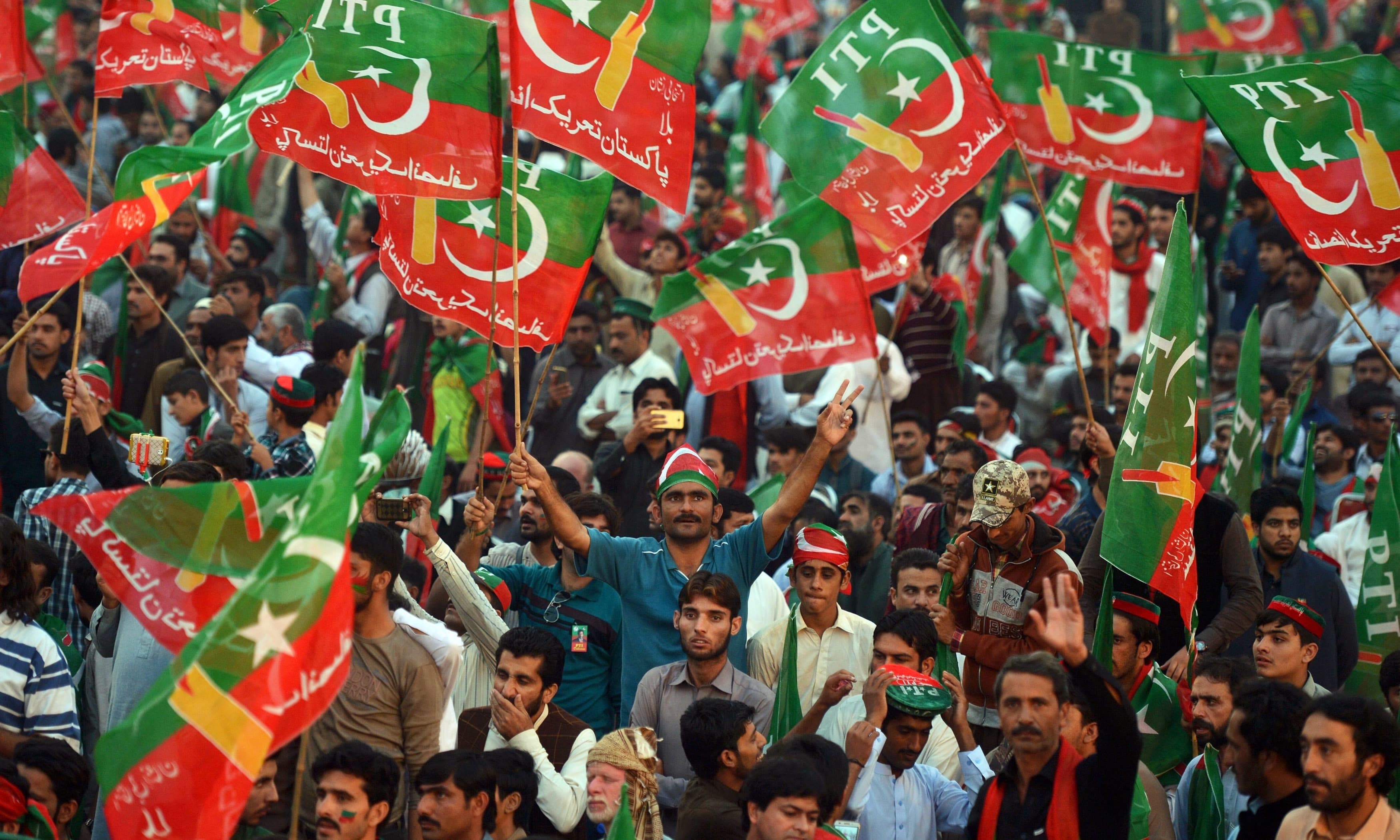
Sajid Bangash of Pakistan Tehreek-e-Insaf termed the move an attempt to reduce the youth vote bank, saying that the party’s major support comes from young voters. Therefore, the proposal is against the fundamental political rights of youth and will not be accepted.
Attempts were made several times to contact the Khyber Pakhtunkhwa Minister for Information and the Provincial Law Minister regarding the issue, but no response was received from them.
According to the Constitution of Pakistan, Article 51 relates to the composition of the National Assembly and voter eligibility. Under the current law, every Pakistani citizen has the right to vote if they are at least 18 years old, are a Pakistani citizen, have their name included in the electoral rolls, and have not been declared mentally unsound or disqualified by a competent court.
According to the rules of the Election Commission of Pakistan, any citizen who turns 18 years old by January 1 is eligible for voter registration.
In Pakistan’s electoral history, the voting age has changed over time. Before the creation of Pakistan, during the 1946 and 1947 elections, the voting age was 21 years, and conditions such as property ownership and tax payment were also required for voting.
After the creation of Pakistan, the voting age of 21 years remained in place during the 1971 elections. The 1973 Constitution also fixed the voting age at 21 years, which remained effective until 2002.
Later, during the rule of former President Pervez Musharraf, the Legal Framework Order (LFO 2002) reduced the voting age from 21 to 18 years in order to encourage greater youth participation in politics. Later, the 18th Constitutional Amendment granted this decision permanent constitutional status.
Different countries around the world also have varying voting ages, although the majority maintain it at 18 years. Approximately 86 percent of countries, including Pakistan, United States, Canada, and India, follow the 18-year voting age standard.
Some countries such as Austria, Brazil, Argentina, Malta, and Cuba have set the voting age at 16 years, while Indonesia, North Korea, and Greece have a voting age of 17 years. In contrast, Malaysia, Singapore, Bahrain, and Kuwait have set the voting age at 21 years.
Legal experts say that if the government wants to make any change in the voting age, a constitutional amendment would be necessary. For this, a two-thirds majority in both the National Assembly and Senate would be required, and without it, no change can be made to Article 51.


.jpeg)
Comments
No comments yet. Be the first 🙂