


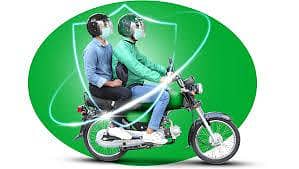
Peshawar– Green-helmeted bike taxi riders are now a common sight in every street, intersection, and main road of Peshawar, offering transport services at roughly half the cost of rickshaws and taxis. The growing popularity of this service is largely driven by rising unemployment, as many jobless individuals have taken up bike taxi work to earn a livelihood for their families.
The first such service in Peshawar was introduced by the online ride-hailing platform Careem, initially offering car rides booked via mobile app. Following strong public demand, Careem launched an online motorbike service, soon joined by rival InDrive. Over time, a new trend emerged, direct, non-app bike taxi services, now available across the city without the need for online booking.
Bike Riders Speak Out
Murad, a bike taxi driver, said he joined the business out of sheer necessity. “Expenses are so high that we can’t make ends meet. It’s a choice between paying rent, the electricity bill, or keeping the kitchen running. There was no other option left for us,” he said, adding that the job offers some flexibility, drivers can work when they want and take breaks as needed, and at least brings a small amount of relief.
Also Read: FIA Cracks Down on Illegal Kidney Transplants in Mardan, Five Arrested, Private Hospital Sealed
Ghazzi and Taifur Rehman also expressed mixed feelings. “Necessity is a cruel thing,” they said. “We worked elsewhere before, but the salaries were too low to survive. Now we’re completely jobless and rely on this work. We can point to hundreds of others who have government jobs in the morning and drive bikes in the afternoon, just to make ends meet. If they’re struggling, how can we manage?”
Rickshaw and Taxi Drivers Feel the Pressure
Rickshaw driver Owais admitted his earnings had dropped significantly since the rise of bike taxis. “Before, I could earn up to Rs 3,000 in 12 hours. Now it’s down to around Rs 1,500. Men rarely ride with us anymore, so we mostly depend on female passengers who can’t take a bike.”
He also raised safety concerns, claiming criminal elements had entered the bike taxi sector. He recounted a recent incident on Ring Road where a passenger opted for a bike after failing to agree on a fare with him. “Later, I saw the same passenger looking upset. He told me the bike driver had robbed him on the way. Passengers often choose bikes to save money, but it’s hard to know which drivers are trustworthy.”
Another rickshaw driver, Nadir Khan, said the Bus Rapid Transit (BRT) system had not hurt their business as badly as bike taxis had. “These riders take passengers for as little as Rs 50. For us, that’s impossible, our repair costs run into thousands of rupees. The government should introduce a proper system for them, or their numbers will keep growing.”
Taxi driver Jan Gul said rising fuel prices and the BRT had already affected their work, but bike taxis had “finished what was left.” He added, “We sit waiting for passengers all day, but with their numbers increasing daily, things won’t improve for us.”
Public Preference for Bikes
Commuter Shafiq said passengers choose bikes to save money. “Rickshaw fares are so high it’s impossible to use them, they’ll ask Rs 200 for a short trip, while a bike will take you for Rs 100.”
Another commuter, Azhar Ali, praised bike taxis for two key advantages: lower fares and the ability to weave through traffic jams. “If rickshaw drivers don’t lower their rates, soon only women will be left as their passengers,” he said.
.jpeg)
Comments
No comments yet. Be the first 🙂