


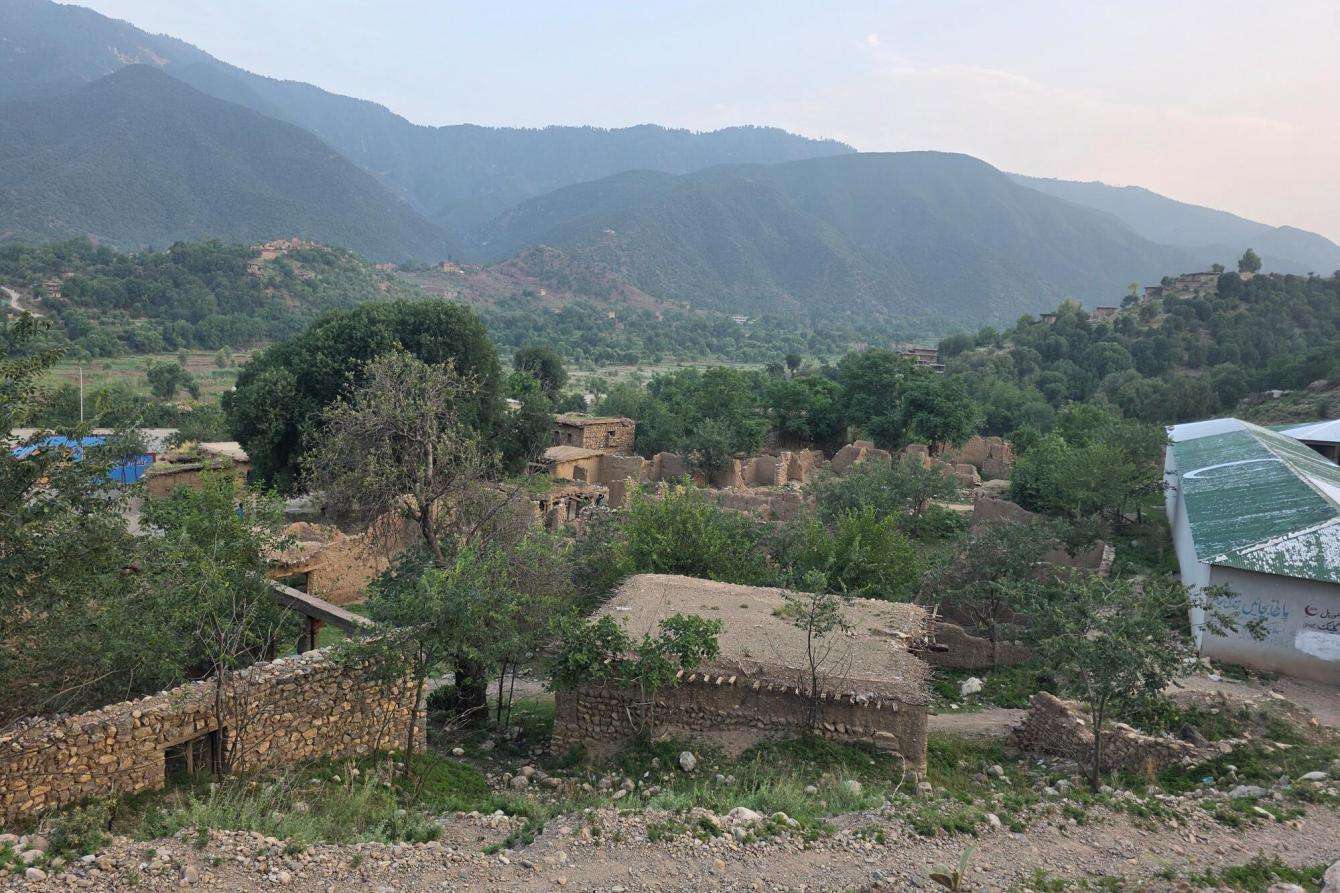
Despite numerous military operations over the past 15 years, militancy in the Tirah area has not been effectively eradicated. Regrettably, it has resurfaced in a more serious form, significantly affecting the lives of local residents. Addressing this militancy through another military intervention would once again require people to abandon homes rebuilt after earlier operations, leading to further economic damage, disruption of education, and, above all, serious psychological harm to the local population. With another operation under consideration, locals are reluctant to leave the region again and relocate to the plains of Khyber district.
Tirah’s geographical location further aggravates the situation, as the area is viewed more as a strategic security zone than a civilian region. This perception strongly influences policy-making related to the area. Initially, there was optimism that the merger of the Federally Administered Tribal Areas (FATA) would bring prosperity to the region. However, the reality on the ground suggests otherwise, as the merger has resulted in an administrative and political vacuum. Some local residents even believe that the Frontier Crimes Regulation (FCR) was more beneficial, finding the new system confusing.
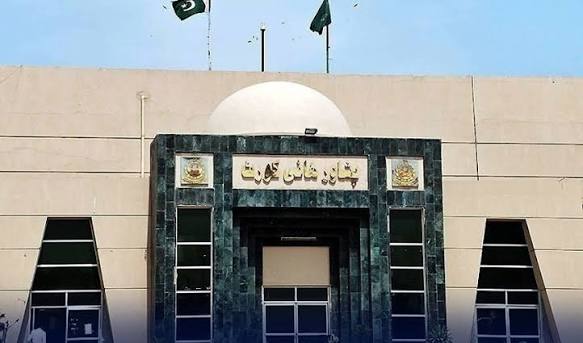
They argue that the merger was carried out hastily and without proper consultation with local communities. Although the constitution technically applies, it remains largely on paper; courts are not easily accessible, governance is weak, and many challenges persist.
The current situation in the valley indicates that it is neither fully peaceful nor prepared for another operation. Local residents have been holding sit-ins for several months, expressing their unwillingness to migrate due to unresolved grievances. Past displacement has exposed them to severe hardships, including lack of resources, financial instability, and social challenges. Meanwhile, the government has failed to present a clear position. Speculation persists that it may side with security forces, while others suggest otherwise, creating uncertainty.
This is not merely a case of operational fatigue but a structural problem. In the past, military operations succeeded in dismantling militant groups such as Tehrik-i-Taliban Pakistan (TTP) and Lashkar-e-Islam. However, after these operations, the military was unable to fill the political vacuum or assume governance responsibilities. This demonstrates that without strong civilian governance, the cycle of militancy is likely to continue. Stability achieved through military means cannot endure without effective and accountable institutions. For long-term prosperity, the region requires genuine political ownership.
Ironically, there has been a noticeable lack of national media coverage regarding the concerns of local residents. When coverage does occur, it often fails to reflect the real issues faced by the population and tends to present a one-sided, state-centric narrative. Local journalists are attempting to highlight these problems, but their voices remain largely unheard. Although some journalists from reputable media outlets have reported on the situation, the struggles and grievances of the local population have rarely been part of mainstream discussions. This neglect has worsened the situation, deepening mistrust and reinforcing feelings of marginalization that locals have experienced for decades.
This critique should not be limited solely to security forces. While they have previously brought a degree of stability, the ultimate solution lies in establishing civilian rule to bring the region fully under constitutional governance. Both the population and local leadership believe that prosperity can only be achieved through comprehensive institutional development; otherwise, security forces will remain the primary means of governance. Although security concerns in the valley are serious, they cannot justify ignoring local perspectives. History shows that militancy was merely contained in the past and later returned in a more severe form. Repeating the same approach is not only costly but unsustainable.
The solution for Tirah does not lie in another cycle of military operations but in transparent, effective institutions and the establishment of civilian governance. Local governance must be fully functional rather than symbolic. This requires an effective policing system, genuine political structures, rule of law, access to justice, equality, and proper representation of local grievances in national media. In conclusion, border regions do not achieve stability through displacement and neglect. Lasting normalcy is possible only through strong institutions, inclusion of public voices in decision-making, and sustainable governance.


.jpeg)
Comments
No comments yet. Be the first 🙂