


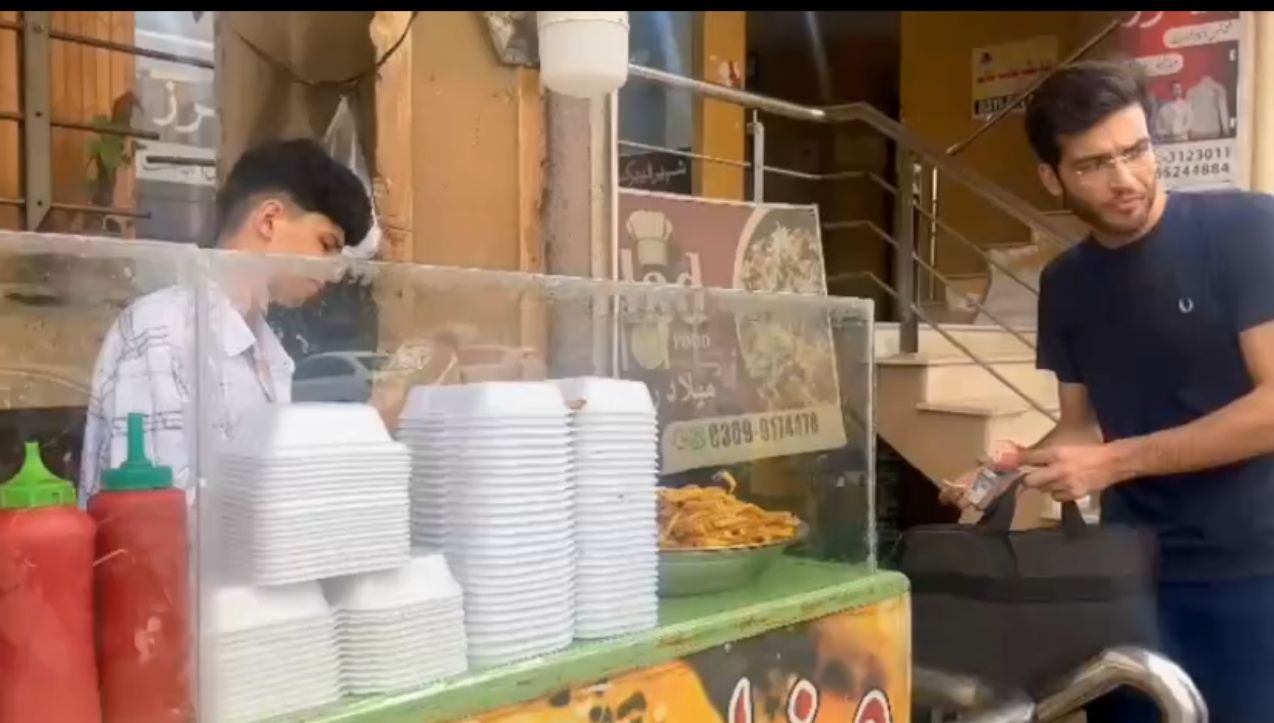
In one of the busy streets of Islamabad’s B-17 neighborhood, the aroma of Kabuli Pulao and kebabs drifts through the air, drawing passersby toward a small yet lively eatery. This is Ali’s Restaurant, a place that offers not only food, but also the taste and memories of a homeland.
Ali, the owner, had been running a similar business back in Afghanistan. With years of experience in traditional cooking, he had built a loyal customer base there. “Cooking was more than a job for me; it was a way to connect with people,” he recalls. His restaurant in Afghanistan had become a meeting place for friends, families, and travelers who came to enjoy the warmth of Afghan hospitality.
But in 2021, following the fall of the Afghan republic and rising insecurity, Ali was forced to leave his country and seek refuge in Pakistan. “Leaving my homeland was not an easy decision, but my family’s safety came first,” he says. The decision meant abandoning not only his business but also the community he had built over years.
With the savings from selling his property in Afghanistan, Ali decided to start over from scratch. Renting a small place in B-17, he opened an Afghan restaurant. In the early days, things were modest, just a few tables, a basic kitchen setup, and a small menu featuring Kabuli Pulao and kebabs. The customers were mostly Afghans living in the area, craving a taste of home.
Over time, as word spread, Pakistani residents began visiting out of curiosity. Encouraged by their positive feedback, Ali expanded the menu to eight dishes: Kabuli Pulao, kebabs, Afghan meat samosas, bolani, Afghan burgers, mantu, and sheer yakh (Afghan ice cream). Each dish is prepared using recipes passed down through generations, with spices carefully sourced to preserve their authenticity.
“My goal is to introduce Pakistanis to our food culture. When a customer tells me they never knew Afghan food could be so rich in flavor, I feel I’ve achieved something,” he explains with a smile.
The restaurant’s interior reflects Afghan tradition, with handmade rugs on the walls, traditional patterns on the tablecloths, and Afghan music playing softly in the background. Customers often linger after finishing their meals, sipping green tea and chatting with Ali about his homeland.
However, recent legal restrictions on Afghan migrants have created difficulties. The suspension of visa extensions and the Pakistani government’s order to detain undocumented migrants have caused a noticeable drop in Afghan customers. “Many of my regulars are afraid to go out. They call me and say they wish they could come, but it’s too risky,” Ali says.
Still, Pakistani customers have helped fill some of the gap. “Our relationship with Pakistanis is very good. We live like brothers here and help each other in work and daily life,” he notes. Some local customers have even become regulars, bringing their friends to try Afghan dishes for the first time.
Each morning, Ali and his small team begin preparations early. The dough for bolani is kneaded fresh, the meat for kebabs is marinated overnight, and the rich aroma of simmering rice for Kabuli Pulao fills the air long before the restaurant opens. By lunchtime, the tables are often full, and the kitchen is busy serving plates of steaming hot food.
Yet, beneath this vibrant daily routine, uncertainty remains. Ali worries about the long-term impact of the visa restrictions, not only on his business but on the Afghan community in Pakistan. He hopes the Pakistani government will reconsider its approach. “We are here to work, live, and contribute to society. When legal conditions are fair, everyone benefits,” he says.
Today, Ali’s Restaurant stands as a symbol of cultural connection between Afghanistan and Pakistan. Every plate served tells a story of migration, perseverance, and hope a story of a man who, despite the challenges, refuses to give up on building a better future.
.jpeg)
Comments
No comments yet. Be the first 🙂