


.png)
At present in Pakistan, the biggest fear for the public is not rising tensions at the borders, but the silent anxiety growing inside homes. Inflation, unemployment, shrinking businesses, rising rents, and declining income have pushed ordinary lives to a point where even covering daily expenses has become a challenge.
Markets are losing their vibrancy, household stoves are barely burning, and life has become far more difficult for daily wage earners. Across the country, the same sentiment is heard: the real threat to people is not a potential war, but the inflation knocking at their doors every day.
Slowing Market Activity:
Muhammad Irfan’s utensil shop in Gulbagh, Swat, used to be full of customers, especially during wedding seasons.
“Earlier, people would buy both for daily household use and for dowries, but now the situation has changed,” he says.
According to him, the period from Eid al-Fitr to Eid al-Adha was once considered the best for business, but this year, shopping in the markets is nowhere near what it used to be.
“For the past three months, business has been slow, and for the last two weeks, not a single customer has come,” he explains.
He adds that the problem is not only fewer customers, but rising expenses.
“Shop rent has increased, daily travel has become expensive. Earlier, traveling cost around 100–120 rupees, now expenses keep increasing.”
He explains that higher transportation costs discourage people from coming to the market and postpone non-essential purchases, directly affecting small shop owners.
“It’s not just utensil shops; clothing and other stores also have fewer buyers. Many markets are eerily quiet,” he notes.
Economic Pressure: A Widespread Issue
Experts say this situation is not limited to one city or class; it has spread nationwide. Tariq Ziad Khawaja, Lecturer at the Department of Economics and Development Studies, University of Swat, states that rising poverty and economic pressure in Pakistan have several root causes.
One major reason, he says, is unplanned businesses.
“Many people start businesses with low profit margins and high risk of loss. When market demand and long-term planning are ignored, coping with inflation shocks becomes very difficult,” he explains.
He also points to loans as a key issue.
“Starting a business on borrowed money creates repayment pressure, and when interest rates rise, expenses increase further. If income is low and inflation high, a small business owner spends a large portion of earnings on debt and daily costs.”
.png)
When essential commodities become expensive, people restrict purchases to necessities, affecting other businesses.
Exchange Rates and Inflation:
According to Khawaja, foreign exchange shortages are another major factor in Pakistan’s economic issues.
“When resources for foreign payments are limited, oil, raw materials, and other essentials become expensive. This impacts industries, production, and business, and eventually the burden falls on ordinary people.”
He adds that the lack of petrol subsidies and taxes on fuel also contribute to price increases.
“This extra burden ultimately reaches the public, which is why the government needs long-term and stable policies.”
Employment and a Changing Economic Structure:
Employment is a major aspect of economic pressure. Experts note that when market demand drops and industrial activity slows, people in the informal sector are the first to be affected.
Those who work daily—loading, delivery, small services, or transport—experience significant income reductions.
When the middle class limits its spending, the effect ripples across all sectors dependent on that demand.
The shift of businesses and industries toward online systems also reduces opportunities for workers at the ground level. Thus, poor individuals are impacted not just by inflation, but by the changing economic structure.
Fuel Prices and Their Effects:
Senior journalist Tahir Khan explains that rising fuel prices affect every sector of the economy.
“When petrol prices rise, transport fares increase, and then almost every commodity becomes more expensive,” he says.
Higher delivery costs force shopkeepers to include extra expenses in their prices, further affecting consumers.
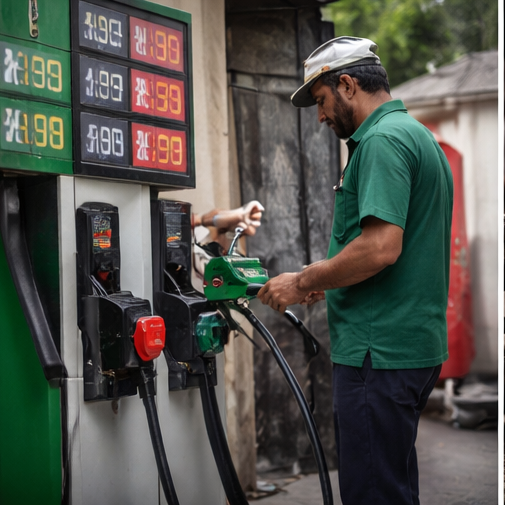
“Sometimes even locally available goods become expensive, because overall inflation trends affect the entire market.”
Global Factors and Local Impacts:
According to Tahir Khan, Pakistan’s import-dependent economy is another major reason for rising prices.
“Many essentials, including oil, are imported and paid for in dollars. When global prices rise or the dollar strengthens, inflation rises locally.”
He also notes that recent regional tensions, particularly between Iran and Israel, have created uncertainty in the global oil market, which could impact countries like Pakistan.
Possible Solutions:
Experts say that if immediate relief in fuel prices is not feasible, local measures can help. These include price controls on essential goods, improving delivery systems, effective market monitoring, and curbing unfair profiteering.
Providing easier terms, lower costs, and better opportunities for small businesses is also crucial to protect them from constant pressure.
A Growing Concern:
Rising inflation, weakening purchasing power, limited employment, debt pressures, and changing economic activities are creating a situation where ordinary lives are becoming increasingly difficult.
Slowing markets, struggling small shopkeepers, and expert concerns all point to economic pressure becoming a serious national issue.
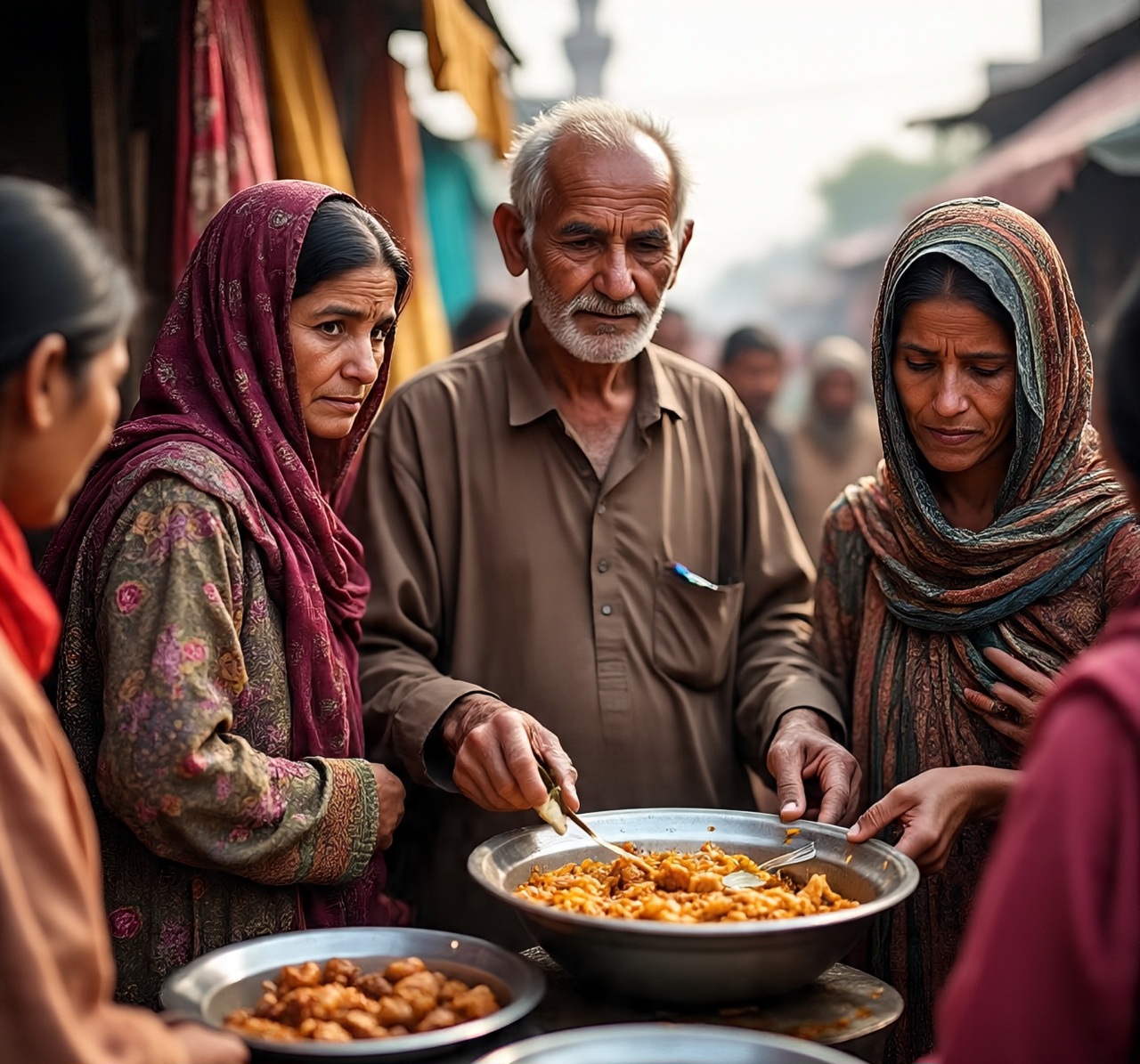
For ordinary citizens, the biggest threat is no longer a potential war, but the silent poverty creeping into their daily lives. Perhaps this is why people like Muhammad Irfan are compelled to say:
“We won’t die from war; we’ll die from poverty.”

.jpeg)
Comments
No comments yet. Be the first 🙂