


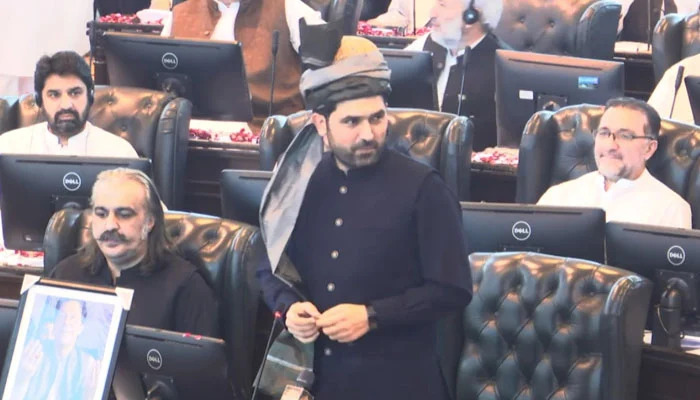
As a tribal woman, when I learned that the newly elected Chief Minister of Khyber Pakhtunkhwa hails from the tribal district of Khyber, an instant wave of joy and hope ran through my heart. It’s only natural to feel pride and connection when someone from one’s own area rises to such a significant position.
For decades, since 1947, the tribal districts have been deprived of basic facilities. These areas were governed federally, but when the people could no longer tolerate the neglect, they began their struggle to merge with Khyber Pakhtunkhwa so that they could finally share in the province’s resources and rights — and rightly so, because we tribal people are as much part of Pakistan as anyone else. The merger brought new hope, but unfortunately, insecurity, poor education, and unemployment still persist.
While some progress has been made, the pace of meaningful reform remains stagnant. Expectations from our new Chief Minister are high, especially regarding peace, as the current wave of violence has deeply affected the region. Whether it’s Bajaur, Tirah, or other tribal areas — peace remains elusive. In Bajaur, internal displacement has occurred, with families forced to live in camps. Some have returned home, yet insecurity continues to haunt them. Given that the Chief Minister himself belongs to the tribal belt, he understands these challenges better than anyone else.
Education and employment conditions are dire, particularly for girls whose literacy rate is as low as seven percent. The Chief Minister must prioritize girls’ education by establishing medical colleges and universities in the tribal districts. Another major issue is that when government tests are announced, these districts rarely have their own exam centers, forcing candidates — especially girls — to travel to Dir, Swat, Malakand Division, or Peshawar, which often prevents them from appearing altogether.
Healthcare is another area demanding urgent attention. In emergencies, patients are usually shifted to Peshawar, and many lose their lives on the way due to the lack of proper medical facilities in their home districts. The economic situation is equally alarming — so many young people risk their lives to migrate abroad illegally, and too often, their bodies return instead of their dreams.
Tourism is yet another sector with immense potential. Our province is blessed with natural beauty, and if tourism is promoted, it will not only attract visitors but also strengthen the local economy through hotels, roadside cafés, and small businesses.
The Chief Minister must address the long-standing deprivation of the tribal areas with special focus and genuine intent. People have great expectations from him, believing that he both understands their problems and has the authority to resolve them. The tribal districts urgently need good governance — because good governance is what transforms societies and determines the fate of nations.

.jpeg)
Comments
No comments yet. Be the first 🙂