


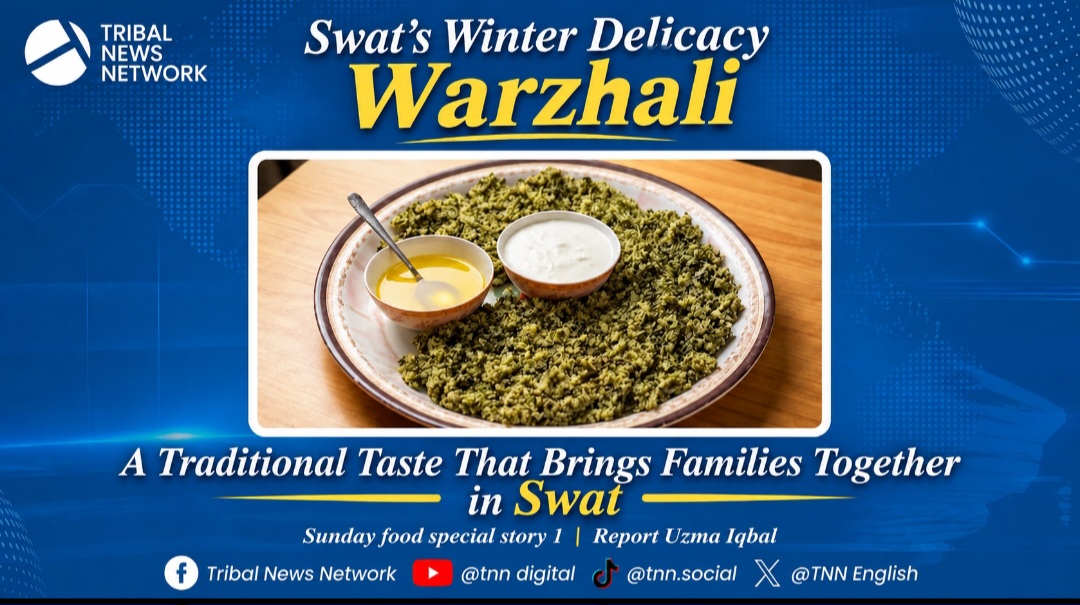
Beyond its natural beauty, towering mountains and the Swat River, the valley is also known for its unique traditional cuisine. Every season brings its own flavours, but winter has a special place on the dining tables of Swat’s households. One traditional dish, in particular, holds a special significance for local people. Its taste goes beyond food, representing their culture, memories and family traditions. This local delicacy is called Warzhali, while in some parts of Swat, it is also known as Chokan.

Warzhali is mainly prepared during winter because its key ingredients, locally grown leafy vegetables known as Shotul and Shalkhay, are usually available during this season. It is prepared by combining these vegetables with spinach, fresh garlic and green onions.
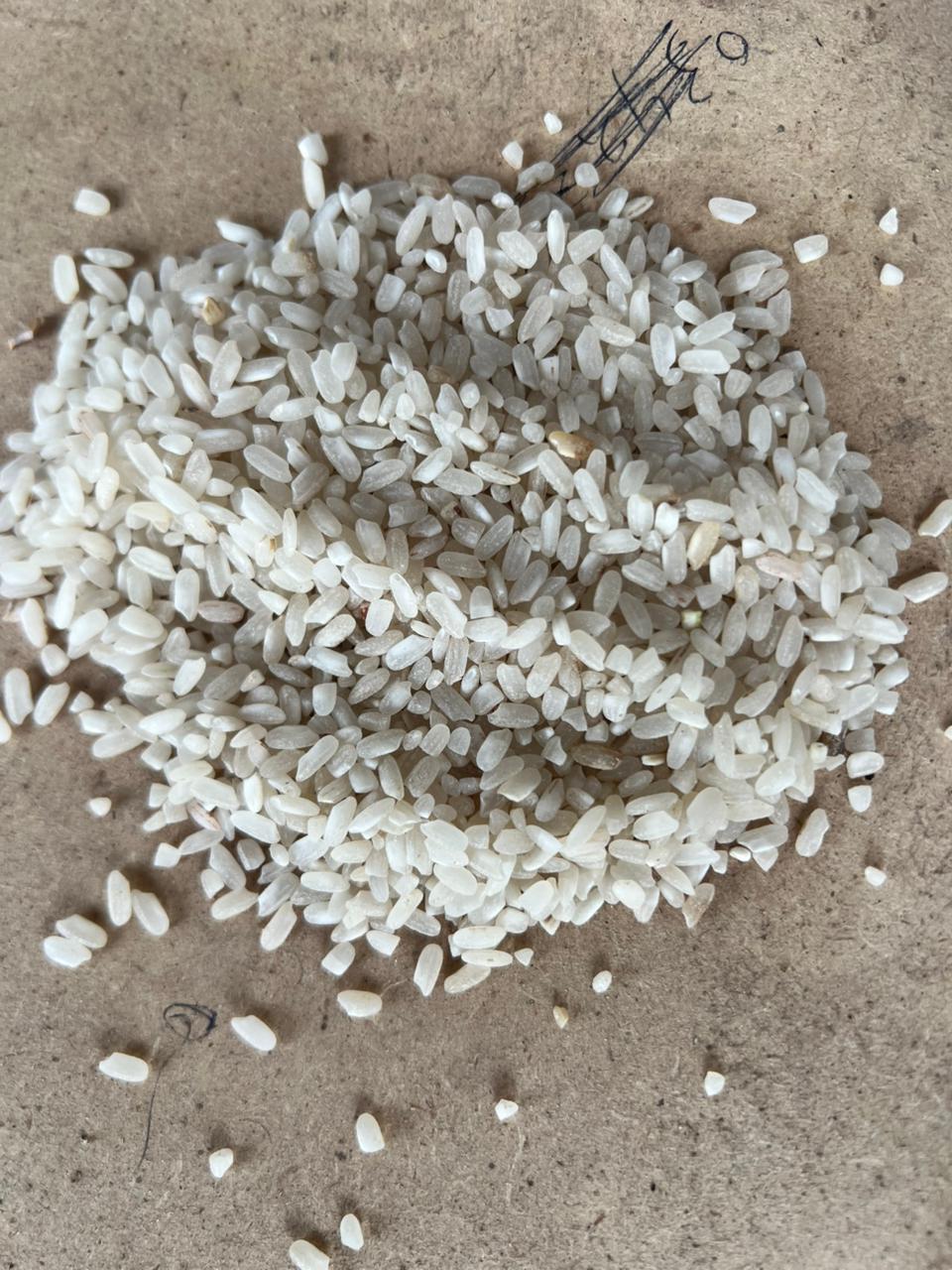
What makes this dish unique is that it is cooked with Swat’s locally grown Begumai rice rather than ordinary rice. According to locals, using other varieties of rice fails to preserve its distinctive taste and traditional flavour.
Ayesha, a resident of Charbagh in Swat, says that although Warzhali is prepared on different days during winter, making it on Sundays has a special charm. She explains that most people have the day off on Sundays, allowing the entire family to gather for lunch. On other days of the week, children are busy attending school while adults are occupied with work, leaving fewer opportunities to prepare Warzhali and enjoy it together. That is why Sunday is often the preferred day for this traditional meal.
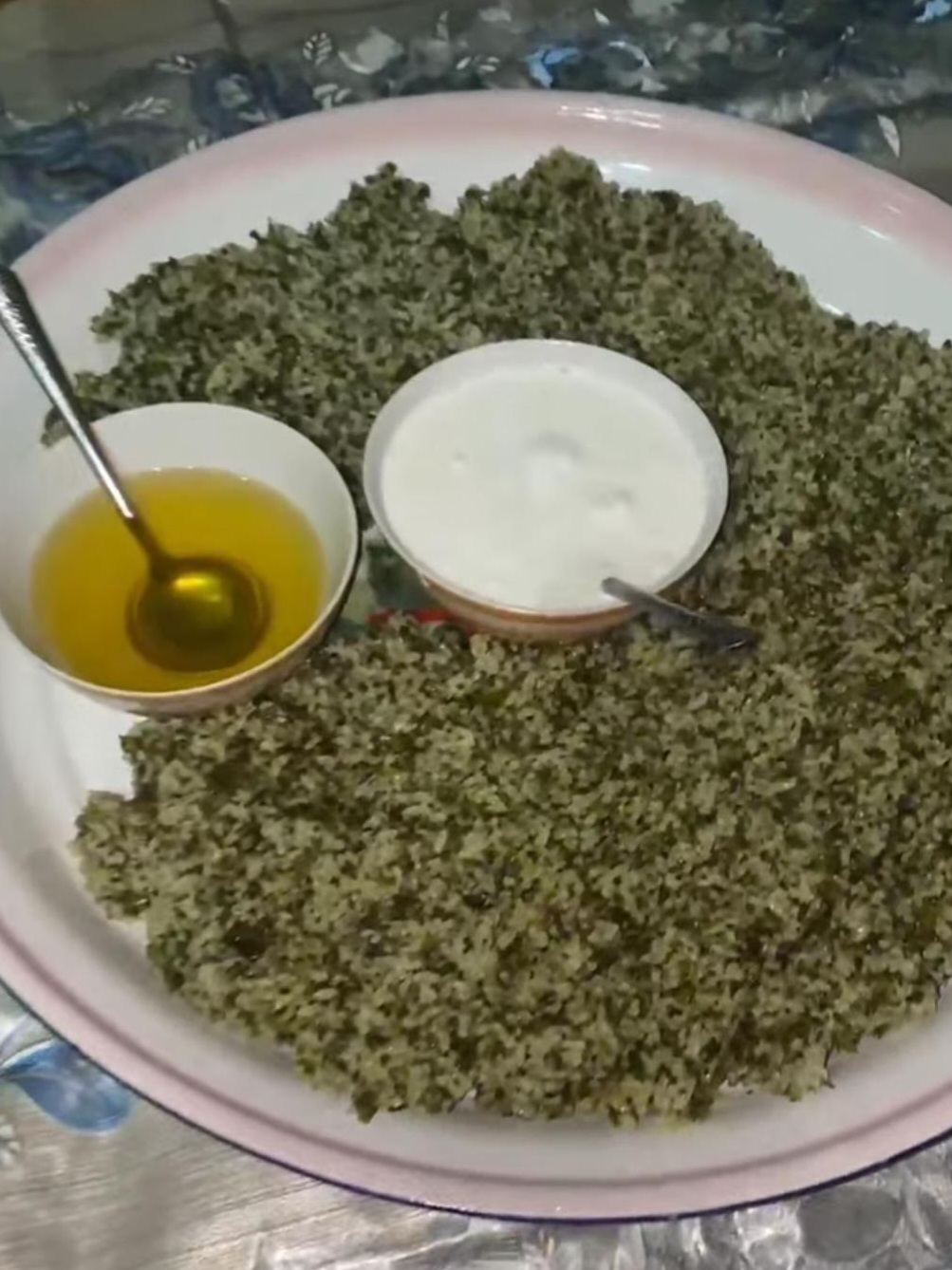
According to Ayesha, Warzhali is traditionally served with pure desi ghee, accompanied by milk. However, some families prefer yoghurt instead of milk. She says the use of desi ghee makes the dish relatively heavy, which is why many people prefer eating it at lunchtime. Enjoying freshly prepared Warzhali with family members under the warm winter sunshine is an experience in itself.
Also Read: Mardan embraces modern fashion while holding on to tradition
The special appeal of Warzhali is not limited to those living in Swat. For people living away from their hometown, it becomes a taste filled with memories and nostalgia.
Amina, a Swat native currently living in Karachi, says that whenever she plans to visit her parents' home, she tries to travel during winter so she can enjoy Warzhali. She says she misses this traditional dish while living in Karachi and occasionally tries to prepare it at home. However, the specific local vegetables from Swat and Begumai rice are not easily available there, making it difficult to recreate the authentic traditional taste.
Amina says that whenever she visits Swat, Warzhali is her first choice among local dishes. For her, visiting Swat during winter without eating Warzhali feels like an incomplete trip.
Thus, Warzhali is more than just a traditional dish made from leafy vegetables and rice. It represents Swat’s seasonal food culture, local agricultural produce and the beautiful tradition of family gatherings. Despite changing times, its appeal remains unchanged. Especially on a cold Sunday afternoon, when family members gather around one table, the aroma of freshly cooked Warzhali fills the house, and milk or yoghurt is served alongside it, the meal does more than satisfy hunger. It creates cherished memories of togetherness and moments spent with loved ones.





Comments
No comments yet. Be the first 🙂