


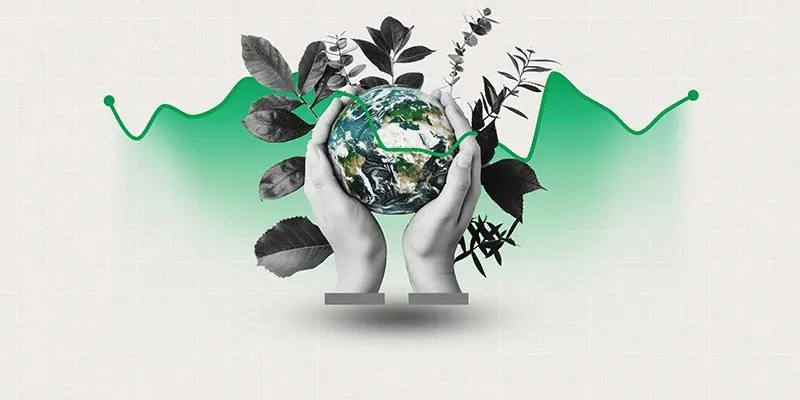
When we talk about climate change, most people immediately think of global conferences, government policies, and scientific solutions. But for an ordinary citizen, the question remains: what can I do?
Interestingly, when asked, most people in Pakistan believe that planting trees is the best, and perhaps the only, way to reduce effects of the climate change. While tree plantation is indeed a powerful step, the responsibility of the common man goes far beyond that.
Climate change is not just a distant threat; it is already reshaping lives in Pakistan. According to the World Bank, Pakistan faces annual economic losses of around $3.8 billion due to climate-related disasters. The devastating floods of 2022 affected 33 million people and caused damages exceeding $30 billion. Furthermore, the Global Climate Risk Index ranks Pakistan among the top 10 most climate-vulnerable countries in the world. These numbers clearly show that climate change is not merely an environmental issue, it is an economic, social, and humanitarian crisis.
Water scarcity is emerging as one of the gravest consequences of climate change, and Pakistan is already among the countries most at risk. Per capita water availability has dropped below 1,000 cubic meters, pushing the nation into the “water-stressed” category. Domestic use alone makes up around 10% of the total water budget, yet a large share is wasted, whether through running taps, washing courtyards with pipes, or careless use in daily chores.
The gap between rural and urban usage is striking. In villages, an average person uses about 30 litres of water per day, compared to nearly 300 litres in cities. Most of this water eventually flows back untreated into rivers, polluting vital resources. Meanwhile, almost 90% of Pakistan’s drinking water is drawn from underground reserves, and over-extraction has caused the water table to fall at an alarming rate.
Also Read: Rescue Efforts Disrupted as Rumors and AI-Generated Clips Go Viral During KP Floods
Addressing this crisis requires more than policies, it calls for individual responsibility. Every household can play a role by reducing consumption: taking quick showers, fixing leaks, reusing wastewater for plants, or simply switching from pipes to buckets. If these small habits are widely adopted, domestic water use could be cut by half. In a country facing climate stress and shrinking groundwater, the actions of ordinary people may well decide the security of Pakistan’s water future.
Energy use is one of the areas where individuals can have the greatest impact. Studies show that a single unit of gas releases around 55 kilograms of carbon dioxide, while one unit of electricity produces about 0.5 kilograms. This makes energy conservation not just wise, but necessary. Turning off unused lights, appliances, and devices, along with replacing outdated equipment, such as swapping traditional bulbs for LEDs, can significantly cut emissions and reduce costs.
Looking ahead, investing in solar panels or renewable energy credits is a practical and eco-friendly solution. At present, solar energy accounts for only 1% of Pakistan’s total energy production, or roughly 8.7% of renewable sources. Yet, the government aims to boost solar’s share to 30% by 2030. With renewable resources holding the potential to meet up to 60% of the nation’s energy demand, this transition is both possible and essential.
Meanwhile, thermal power plants continue to supply 52% of electricity, an unsustainable and costly reliance. The more we save energy and shift towards renewables, the closer we move to a cleaner, more affordable future.
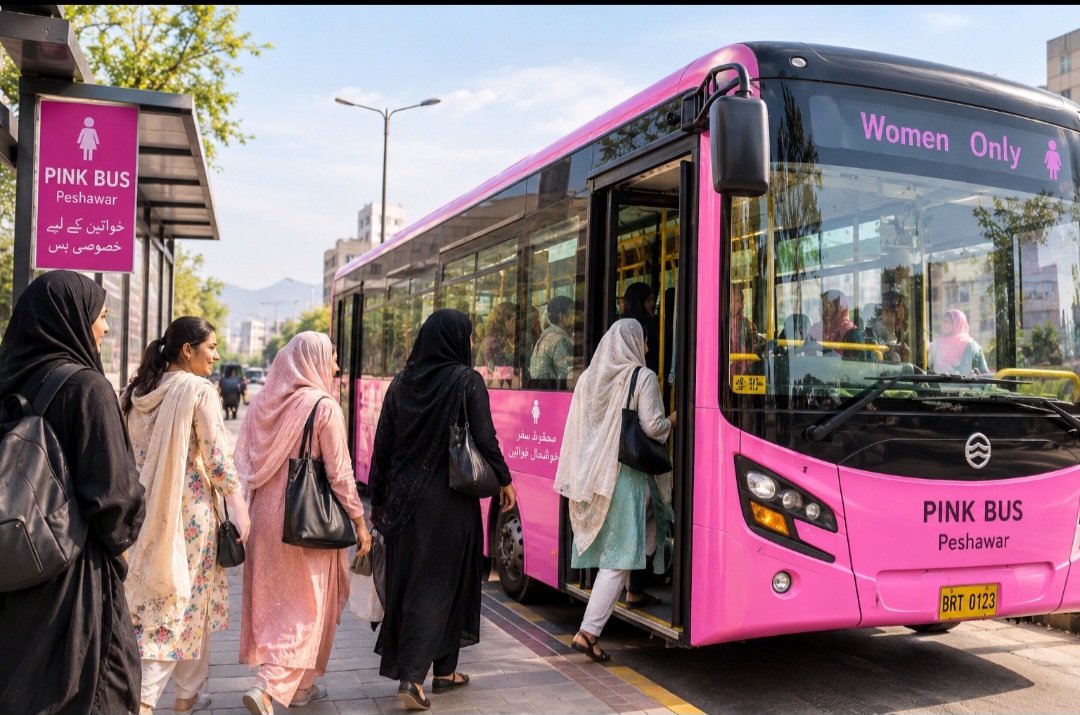
Transportation habits also matter. Instead of using private cars for short distances, walking, cycling, or using public transport can reduce emissions significantly. The government alone cannot solve traffic congestion or urban pollution; it is the collective responsibility of citizens to adopt healthier, more sustainable practices.
Waste management is one of the most overlooked issues at the community level. In many places, garbage is dumped in open areas or thrown into rivers and canals, causing pollution and health risks. This challenge can be tackled through simple household actions such as separating biodegradable and non-biodegradable waste, recycling plastics, and composting organic matter.
Small lifestyle changes also make a big difference. Carrying a reusable shopping bag instead of using plastic, for example, helps reduce waste. The impact of mismanaged waste is alarming: one kilogram of solid waste produces about 700 grams of carbon dioxide, while burning a kilogram of plastic releases 2 to 5 kilograms of carbon dioxide. By adopting these responsible habits, citizens can ease pressure on the environment and contribute to a cleaner, healthier future.
Food wastage is a major but often ignored contributor to climate change. In Pakistan, nearly 200 kilograms of food per person is wasted annually—roughly 40% of the country’s total food production. This amounts to around 36 million tons of wasted food every year. The environmental cost is staggering: just one kilogram of wasted food generates nearly three kilograms of carbon dioxide, adding to greenhouse gas emissions while draining household budgets.
Preventing food waste requires simple but consistent habits. Planning meals in advance, shopping wisely, and cooking only what is needed can drastically cut down waste. By adopting these practices, individuals not only save money but also help reduce the carbon footprint, making a meaningful contribution toward a more sustainable future.
Supporting sustainable agriculture is essential for conserving resources and protecting the environment. Choosing to buy from local farmers and opting for organic products not only strengthens the local economy but also reduces the carbon footprint associated with food transport. With nearly 70% of Pakistan’s total water budget consumed by irrigation, sustainable farming practices are critical to ensuring long-term water security.
Farmers must be encouraged to adopt methods that minimize water usage, such as efficient irrigation systems and the use of natural fertilizers instead of chemicals. Raising awareness within the farming community about the importance of conserving water can help reduce wastage and make agriculture more resilient to climate change. By supporting such practices, both consumers and farmers can play a vital role in creating a more sustainable food system.
Perhaps the most powerful tool in the hands of the common man is awareness. Discussions in hujras, tea stalls, and social gatherings often revolve around politics or prices, but rarely about climate. If people begin to discuss environmental issues, share ideas, and educate one another, society will gradually develop a climate-conscious culture. Parents can teach children the importance of saving water, schools can promote eco-friendly activities, and communities can hold awareness drives.
The reality is that climate change cannot be fought only at the level of governments or international agreements. It requires a change in behaviour at the grassroots level. Every drop of water saved, every watt of electricity conserved, every tree planted, and every plastic bag avoided contributes to a collective resistance against climate change.
Note:
This article is co-authored by Dr. Muhammad Nafees and Hamd Nawaz, who share a deep commitment to raising awareness about the climate crisis and the vital role that individuals can play in mitigating its effects. Both authors believe that collective action at the grassroots level is crucial for a sustainable future.



.jpeg)
Comments
No comments yet. Be the first 🙂