


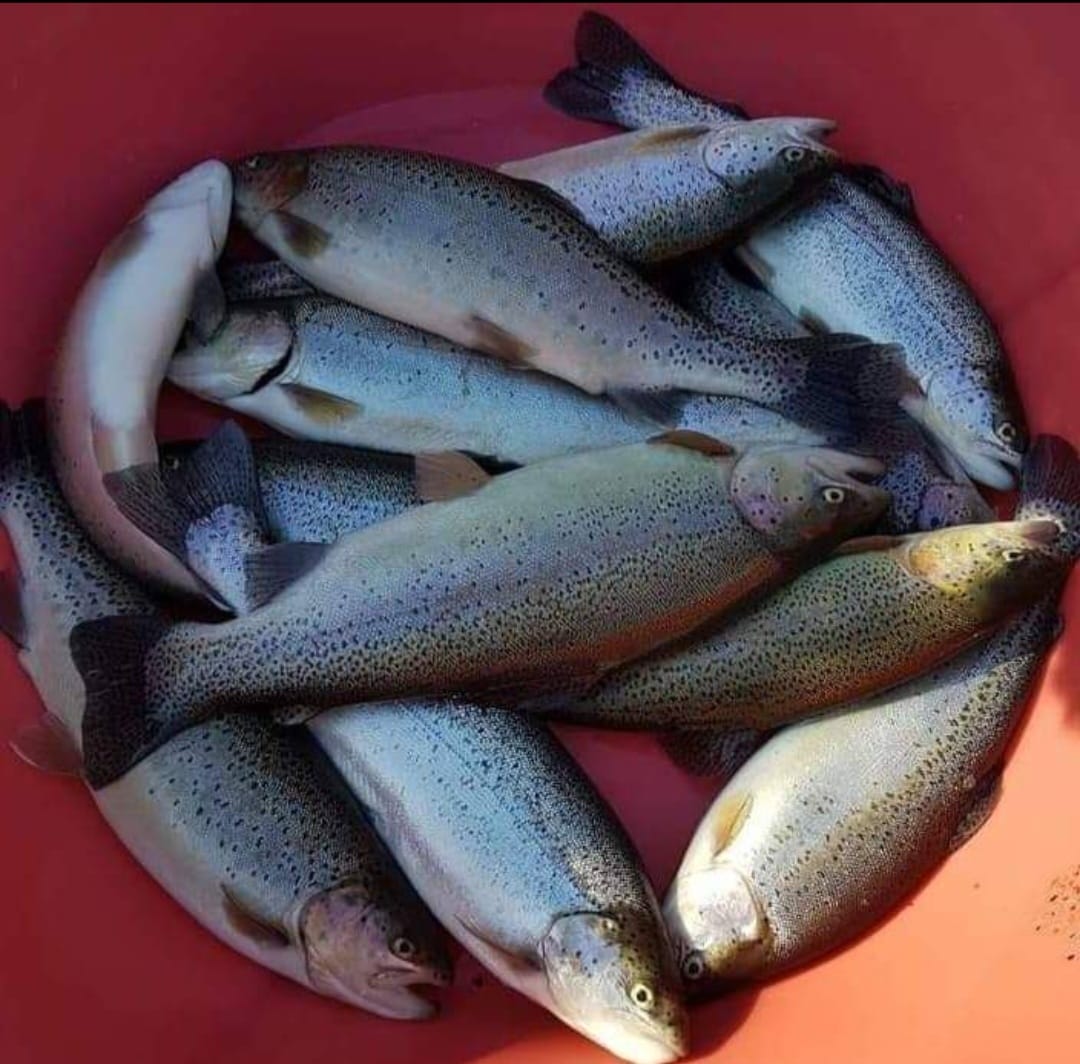
Trout Fish: The “Nawab of Fish” of Local Markets
Trout fish, known in local markets as the “Nawab of Fish,” is recognized for being rare and valuable. This fish is found only in cold, clean, mountain waters, and Swat is world-renowned for producing it.
Tourists visiting Swat come not only to see this beautiful fish but also to taste its unique flavor.
Market Price and Health Benefits:
Trout fish has the highest demand in the market, with prices reaching up to around PKR 3,000 per kilogram. According to doctors, trout fish is considered medicinal for patients because it is very high in protein.
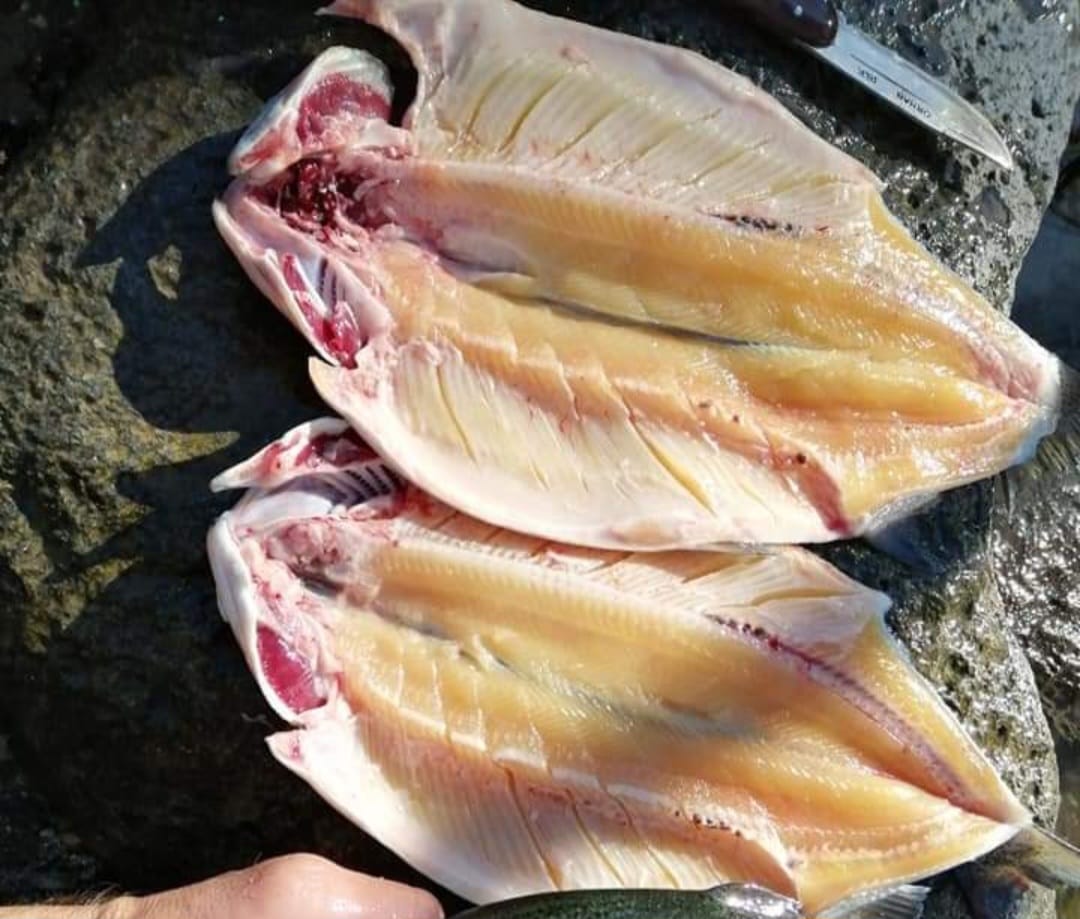
Experts say that even consuming this fish once a month can be beneficial for eye health.
Special Traits: Single Bone and Easy to Cook
Another notable feature of this fish is that it has only one bone, making it easy for children and the elderly to eat. Locals say it is very delicious and does not require a professional chef to cook.
Also Read : From Wheat to Gold: Saffron Farming Takes Root in Kurram and Upper Dir
Impact of the 2022 Floods on the Industry:
However, the devastating floods of 2022 severely damaged the entire industry associated with this “Nawab fish,” destroying the businesses of hundreds of fish farmers.
Shabbir’s Story: Investment and Unemployment
According to Shabbir, a resident of Tehsil Matta, his two trout fish farms were completely destroyed in the 2022 floods. A park and a restaurant for tourists connected to these farms were also destroyed. Approximately PKR 80 million had been invested in these farms.
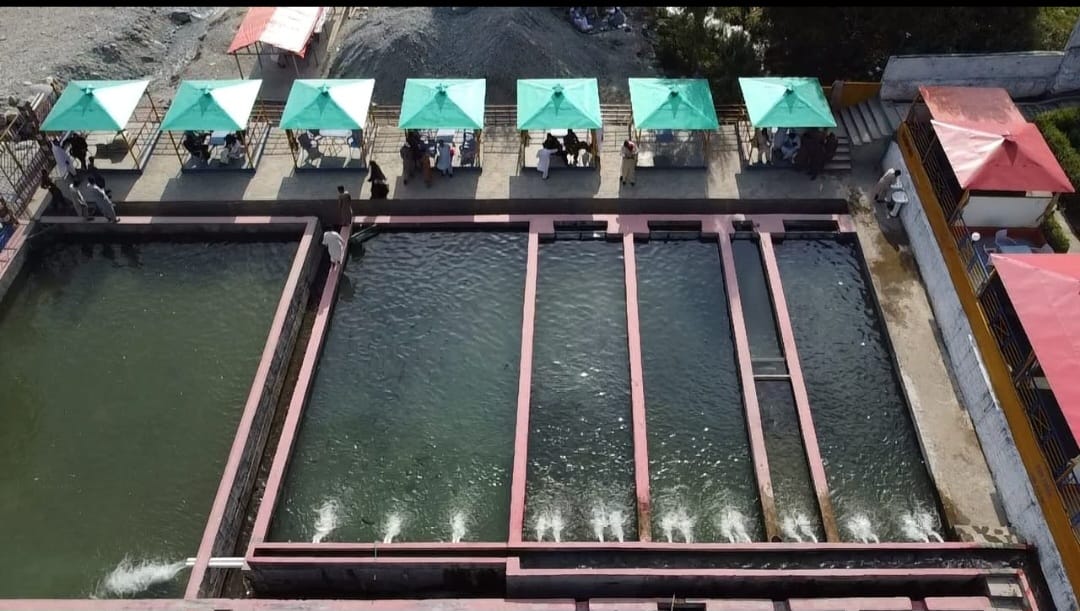
As a result, the business came to a complete halt, and eight helpers became unemployed.
Shabbir further explained that several restaurants in Mingora and Islamabad used to source trout from his farms, and their businesses were also affected. They could not restart because it would require PKR 70–80 million, which was not available. No support was provided by the government.
Javed Iqbal’s Destroyed Farms and Financial Losses:
In Hussainabad, Tehsil Matta, other individuals associated with trout farming also faced similar financial losses. Javed Iqbal said that the 2022 floods completely destroyed his business. His fish farm, restaurant, and park for tourists were completely destroyed, resulting in a loss of PKR 40 million.
Javed Iqbal stated that no assistance was seen from the government. The effects of the floods still impact his family, and restarting the business is impossible due to the large investment required.
Comparing the 2010 and 2022 Floods:
In Madin, several trout farms were also affected by floods, causing heavy financial losses to those involved. Fish farmer Abbas Hussain said that after the 2010 floods, the government provided assistance under a 50-50 scheme, where half the loss was borne by the government and half by the farmer, allowing businesses to restart.
However, in the 2022 floods, around 400 fish farms were destroyed, along with restaurants and other infrastructure, and there was no government support.
Out of 400, only 100 fish farms could be restored, while the remaining owners either left the country or switched to other businesses. Abbas Hussain’s two fish farms and one restaurant were also destroyed, resulting in a loss of about PKR 30 million. To restart, he had to sell land.
Challenges of Trout Farming:
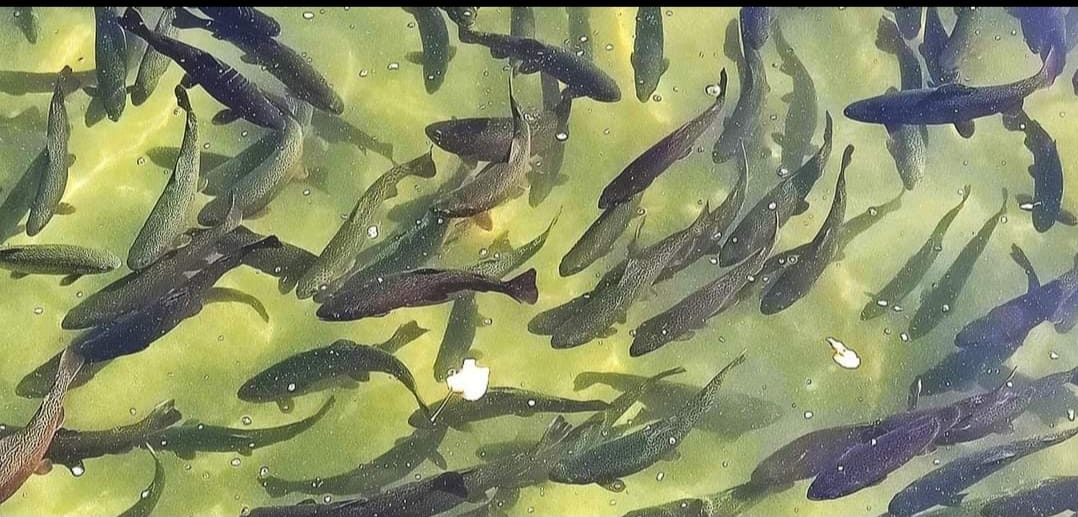
According to Abbas Hussain, trout can survive only in cold and clean water. If the temperature exceeds 18°C or the water is not clean, the fish die. Small and large fish must be kept separate because large fish may eat the smaller ones.
Special care must be given to feeding and maintenance. It takes six months to a year for a fish to reach one kilogram. If care is neglected during this period, the fish may die, which is why many people leave the business.
Significant Loss to the Trout Farming Sector:
According to the Fisheries Department, the 2022 floods caused significant damage to the trout farming sector. Abrar Ahmed, Deputy Director of Fisheries Malakand, said there were 228 trout fish farms in Swat, of which 103 were completely destroyed, directly affecting 450 people.
Additionally, thousands were indirectly affected, including hotel owners, hotel staff, fish feed suppliers, and hatchery equipment suppliers. The tourism sector also suffered a loss of about 10%.
Training Center in Madin:
Abrar Ahmed further stated that a Trout Culture and Training Center has been established in Madin, where fish farmers from Swat, Gilgit-Baltistan, and Chitral are trained and made aware of trout production and care.
Trout Fish: Livelihood and Tourist Attraction
Trout fish is not only a source of livelihood for locals but also a major reason for tourists to visit Swat.
According to Kosar, a tourist from Karachi, she comes specifically to Swat to taste trout and enjoy the beauty of the area.
Trout fish has been an important part of Swat’s economy, tourism, and identity. However, the 2022 floods reduced the production of this rare fish and took away the livelihoods of hundreds of families.
Even today, many farmers are awaiting government assistance, while some are trying to rebuild on their own. If timely steps are not taken, this “Nawab fish” of Swat could truly become limited to memories and stories.




.jpeg)
Comments
No comments yet. Be the first 🙂