


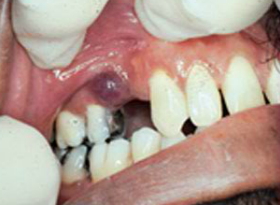
In recent years, a worrying increase has been observed in the number of oral cancer patients in Pakistan. According to the GLOBOCAN 2025 report, nearly 195,000 new cancer cases are reported annually in Pakistan, of which approximately 8.6% to 10% are related to oral cancer.
It is alarming that the majority of oral cancer patients are men, particularly residents of Karachi and Hyderabad. According to Shaukat Khanum Memorial Cancer Hospital and the Karachi Cancer Registry, the rate of oral cancer in these cities is higher than in many countries around the world.
The main reason behind this is the widespread use of gutka, paan, mawa, mainpuri, areca nut (chalia), and other tobacco products. In Khyber Pakhtunkhwa, naswar is a major contributor to the spread of this disease. Additionally, poor oral and dental hygiene further increases the risk.
Statistics show that a significant number of annual cancer deaths are caused by oral cancer. Unfortunately, it has become common in our society to treat minor discomfort with home remedies or over-the-counter medicines from pharmacies, and people only consult a doctor when the disease becomes untreatable. Even when they do visit a doctor, they often avoid follow-up tests to save money.
Also Read : Menstruation Isn’t Shame — Silence Is the Real Problem
Data from the cancer wards of Aga Khan University Hospital and Dow University of Health Sciences confirm that nearly 70% of patients reach hospitals when the cancer has already entered stage III or IV, where the survival rate drops to only 30%.
Self-examination for Oral Cancer at Home:
Early signs of oral cancer can be detected at home. Once a month, stand in front of a mirror under bright light and carefully examine the inside of your mouth, both sides of your tongue, and your cheeks. If you notice any white or red patch, a hard lump, or a wound that does not heal within two weeks, immediately consult a doctor or dentist.
Similarly, use your fingers to check both sides of your neck for any unusual swelling or lumps. The most common sign of oral cancer is a sore or ulcer in the mouth or on the tongue that does not heal for more than two weeks.
Other symptoms include white or red patches on the tongue, gums, or inside the cheeks; a lump or swelling in the mouth; difficulty swallowing or moving the jaw; hoarseness of voice; numbness of the tongue or lips. Sometimes, unexplained bleeding from the mouth or sudden loosening of teeth can also indicate the disease.
Early Diagnosis Can Save Lives:
According to cancer surgeons at Jinnah Postgraduate Medical Centre (JPMC) and Shaukat Khanum Memorial Cancer Hospital, the biggest reason for oral cancer deaths in Pakistan is delayed diagnosis. Any mouth sore or red/white patch lasting more than two weeks should not be ignored. If diagnosed at an early stage, treatment success rates can reach up to 90%.
A concerning aspect is that this disease is now rapidly spreading among young people aged 20 to 30. In these cases, tobacco or gutka are not always the only causes; sometimes Human Papillomavirus (HPV) can also be responsible. HPV, due to unsafe sexual practices, can cause cancers of the throat, tonsils, and the back of the tongue. However, experts state that tobacco and gutka remain the primary reasons for the rise in oral cancer in Pakistan, while HPV is an additional factor.
Sexual Health and Risk of Infections:
According to WHO and CDC reports, if a sexual partner has Hepatitis A or Hepatitis B, the virus can spread through blood, saliva, and oral contact, and in some cases can spread 50 to 100 times more easily than other viruses. If there are wounds in the mouth, bleeding gums, or cuts, the risk of infection transmission increases further.
It is often said that prevention is better than cure. Therefore, it is necessary to impose strict bans on the sale of gutka, chalia, and tobacco products, run awareness campaigns in educational institutions, and ensure regular dental checkups every six months.
If we maintain oral hygiene, limit marital relations to our spouse, and avoid unsafe practices, we can protect ourselves from oral cancer and many other serious diseases.
Note: This article reflects the personal opinion of the writer, which the organization is not necessarily required to agree with.





.jpeg)
Comments
No comments yet. Be the first 🙂