


We have lived our lives under the shadow of terrorism, always hoping for a peace that never fully arrives. Sometimes there is calm, and we think things are improving. But after some time, violence returns. It feels like a pendulum — sometimes intense, sometimes paused.
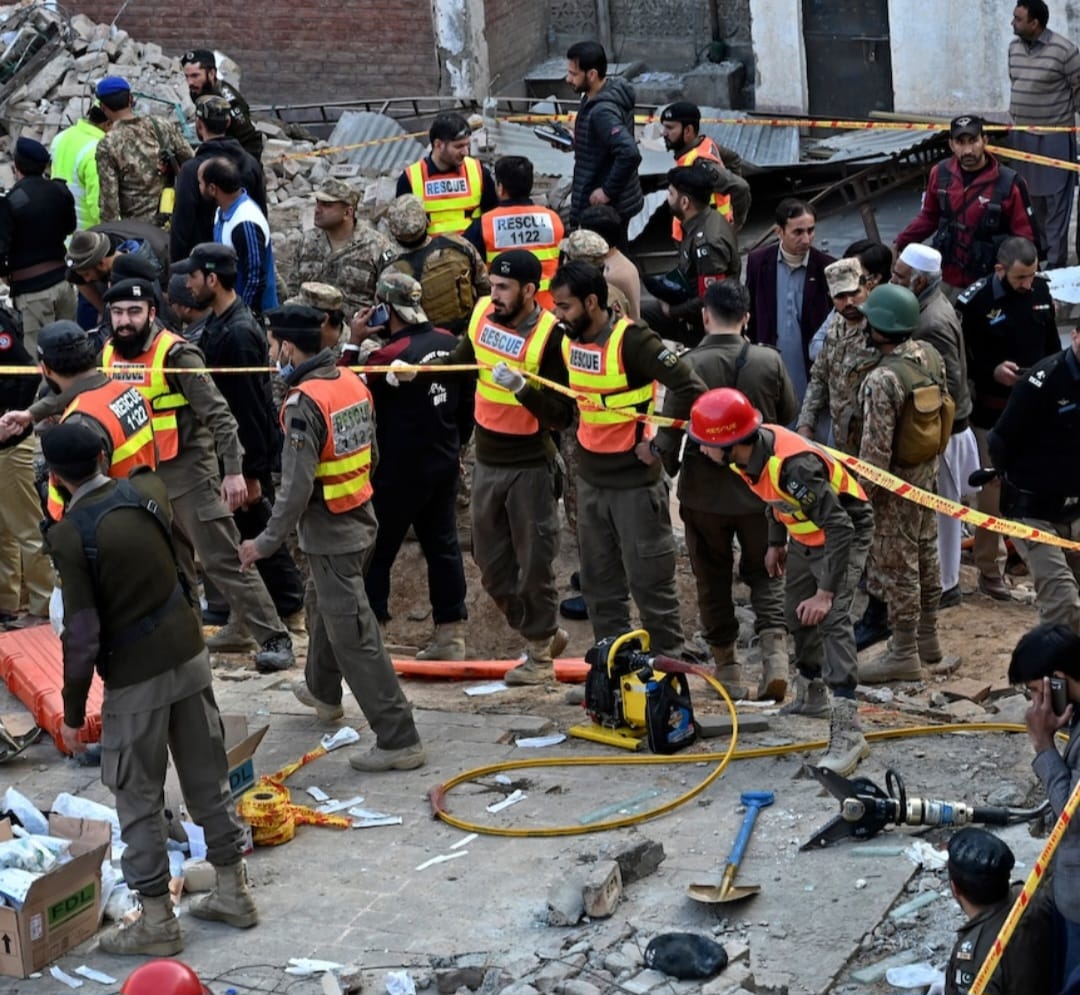
Whenever things begin to feel normal, another attack reminds us that danger is still looming. The recent attack on a Shia mosque is one painful example. A mosque is a place of prayer and peace. When such places are attacked, fear spreads not only within one community but across the entire nation.
When we talk about the fear caused by terrorism, I remember something from 2009 or 2010. We had gone to Bannu to spend our summer vacation with relatives.
One morning, while we were having breakfast, we suddenly heard a very loud and harsh sound — something we had never heard before. Later, we learned that a suicide bomber had driven an explosive-filled vehicle into Thana Mandan in Bannu. Around six to ten people were killed, most of them police personnel.
Also Read : Pakistan-Afghanistan Tensions Deepen After Bannu Attack, Cross-Border Strikes Raise Stakes
That harsh sound still echoes in my ears. It was the first time I had heard a bomb blast from so close. It created a fear inside us that is hard to describe. Even today, sudden loud noises take me back to that moment.
I now live in a village in Bannu district, where terrorist attacks on police stations or chowkis often occur. In the past, people in our village would fire guns on special occasions, such as weddings or Chand Raat before Eid-ul-Fitr.
Today, when someone fires a gun on such occasions, other villagers often mistake it for terrorism. People feel frightened and unsafe, and many are psychologically disturbed. Sadly, over time, some have become used to this constant fear, as terrorism and related violence have slowly become a routine part of life.
I am a teacher at a girls’ primary school. My classroom is on the first floor. Whenever there is too much noise from downstairs, I pause my lesson and ask my students to stay quiet. For a few seconds, my mind fills with worry: Have terrorists entered the school? Are the students or my colleagues in danger? It may only be students talking loudly.
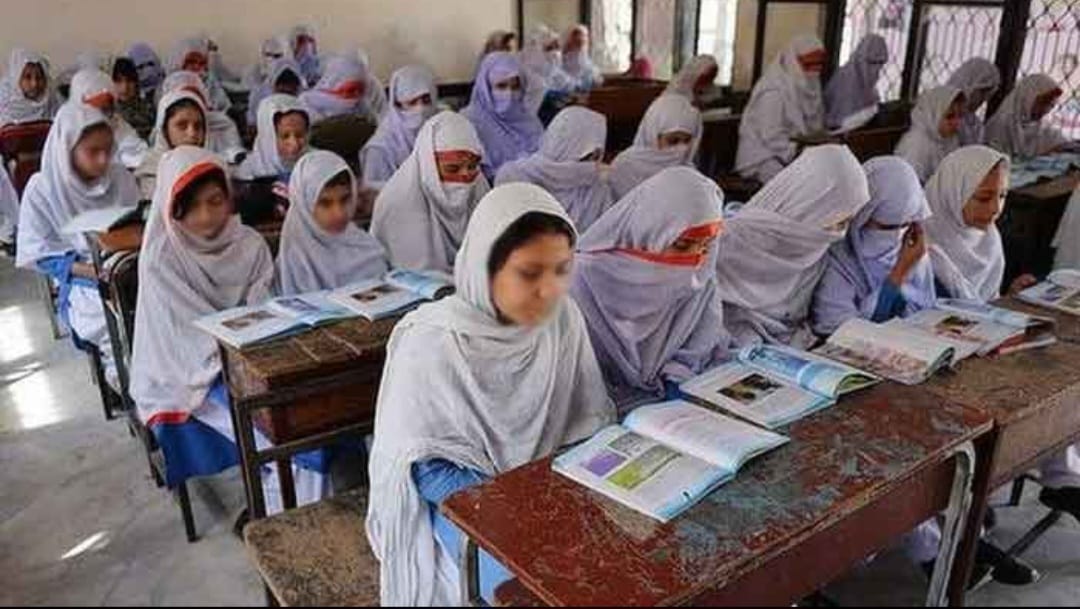
But the fact that such thoughts come to my mind shows how deeply terrorism has affected us. Schools should be places of safety and learning — not places of silent fear.
These conditions may continue for decades because of political arguments, failed policies, and weak authorities. But they cannot continue forever. History always changes. However, by the time things finally change, it may already be too late.
Undoubtedly, situations eventually improve. But if serious and correct steps are not taken now, people’s hearts and minds may fill with frustration and anger, and they may begin to lean toward rebellion.
The state might then consider such people traitors. When hope breaks again and again, trust becomes weak. And when trust becomes weak, society becomes unstable. Something is definitely going wrong.
I do not claim to have all the answers, as I have been deeply affected by terrorism myself. But we must ask honest questions.
Why does the wave of terrorism return repeatedly? Are our policies strong enough? Are they properly implemented? Are the people responsible truly capable? Is there a clear and long-term direction for the country?



.jpeg)
1 Comments
Thank you for writing about the situation in Bannu. This is an important topic and your coverage is very informative. Prayers for safety and peace for everyone affected. ????