


Khyber Pakhtunkhwa’s law and order situation is becoming increasingly alarming with each passing day. Due to rising security concerns in various districts of the province, the government has been compelled to take emergency measures.
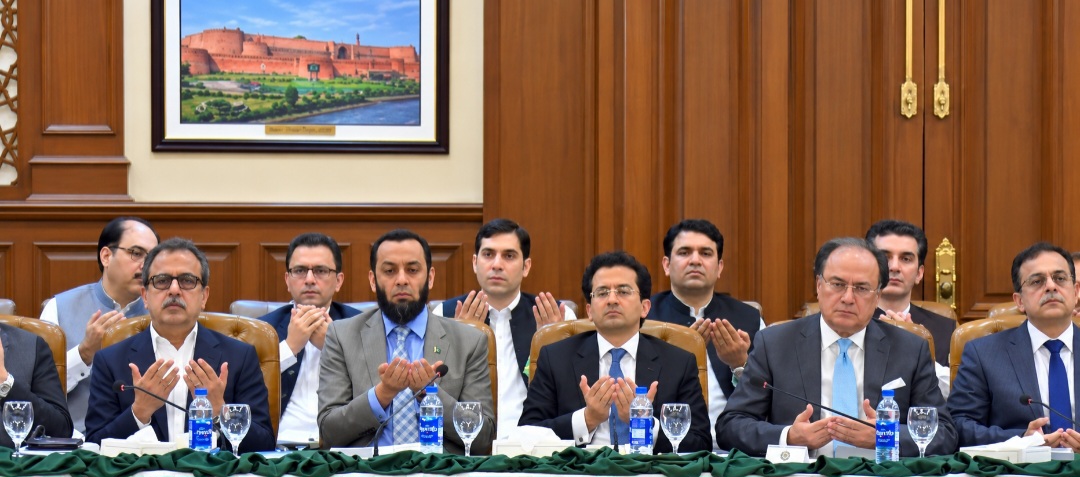
During an Apex Committee meeting chaired by Chief Minister Muhammad Sohail Afridi, it was agreed to enhance coordination between security institutions and the political leadership. Government circles believe that this joint approach will help steer the situation toward improvement.
At present, three districts — Khyber, Kurram, and North Waziristan — require immediate and decisive action.
Khyber District: Preparations for a Targeted Operation in Tirah Valley
Khyber district, which is also the Chief Minister’s native district, has become the focal point of special attention by security forces. Preparations for a large-scale targeted operation against militants in Tirah Valley have been completed.
Also Read : KP Apex Committee Unveils Plan to Tackle Terrorism, Boost Development in Affected Areas
According to Assistant Commissioner Bara, Talha Rafiq Aslam, around 80 percent of residents in the affected areas have already relocated. Approximately 18,000 families — more than 100,000 people — have been forced to leave their homes, while 15 to 20 percent of families still remain in the area.
He stated that to ensure immediate financial assistance, e-SIMs are being issued to affected families, through which an initial amount of Rs255,000 per family is being transferred.
Monthly financial support will also follow. Additionally, the government is bearing all transportation expenses during the relocation process.
Sources say the initial evacuation deadline was set for January 25, but severe winter weather hampered the process. A new deadline of February 5 was later announced, yet complete evacuation could not be achieved.
Sources further indicate that there is consideration to grant the remaining families time until Ramadan, after which the formal launch of the operation is expected.
Kurram District: Large-Scale Evacuations from Central Areas
In Kurram district, preparations for an operation have also been finalized due to security concerns. Forty-two villages in Central Kurram — including Zaimasht, Ali Sherzai, and Masozai — are being evacuated.
According to the Provincial Disaster Management Authority (PDMA), more than 18,000 people have relocated so far. Temporary camps have been set up at Bagan Degree College and in Sadda.
The government has announced the same relief package for Kurram’s displaced residents as that being provided to those from Tirah, with implementation expected soon.
However, most displaced families have preferred to stay with relatives or in rented houses instead of government camps, while only around 600 families are currently residing in the camps.
North Waziristan: Both Administration and Public Facing Hardships
The situation in North Waziristan appears more severe compared to the other districts. Security threats have escalated to such an extent that not only civilians but also government officials are facing serious difficulties.
On December 2, 2025, Assistant Commissioner Shah Wali Khan was martyred by unidentified individuals, after which strict security restrictions were imposed on the movement of government officials.
The gravity of the situation can be gauged from the fact that Deputy Commissioner Yusuf Karim has been in Bannu for several days and has yet to reach Miranshah.
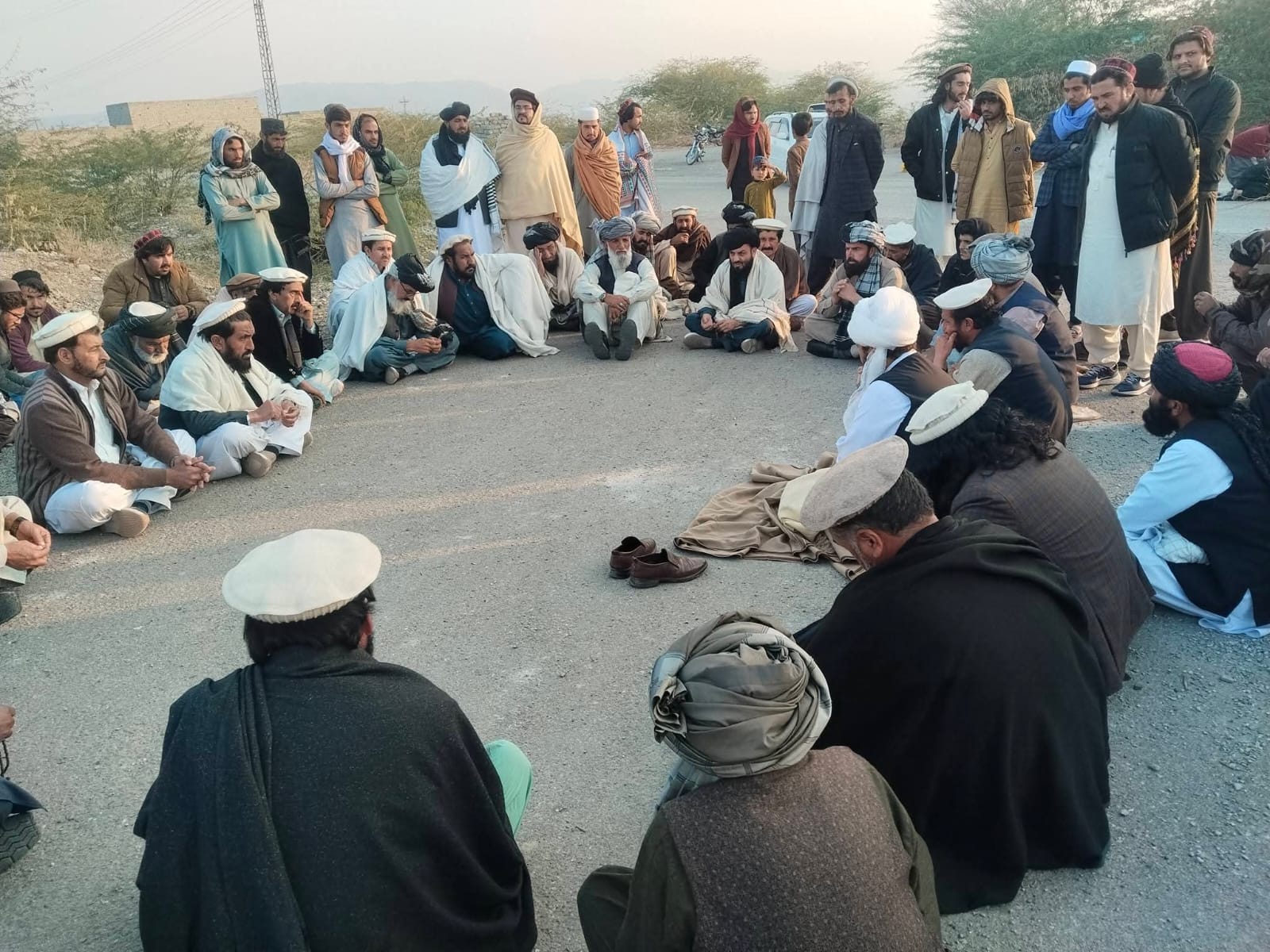
Meanwhile, the Utmanzai tribe has blocked the Bannu–Miranshah Road for all types of traffic following a jirga decision, severely disrupting daily life in the area.
Due to the deteriorating security situation, all development projects were suspended on January 14. The administration has imposed a ban on issuing new tenders, making payments, and continuing ongoing development work, leading to economic stagnation in the region.
This entire situation makes it clear that several areas of Khyber Pakhtunkhwa are once again moving toward uncertainty and instability. Experts believe that security operations alone cannot provide a complete solution.
Timely rehabilitation of displaced people, provision of basic facilities, and restoration of development projects are equally important.
If the government succeeds in simultaneously focusing on security, rehabilitation, and development, sustainable peace in the province may be achievable. Otherwise, these measures may prove temporary, and the problems could resurface once again.
1.jpeg)
Comments
No comments yet. Be the first 🙂