


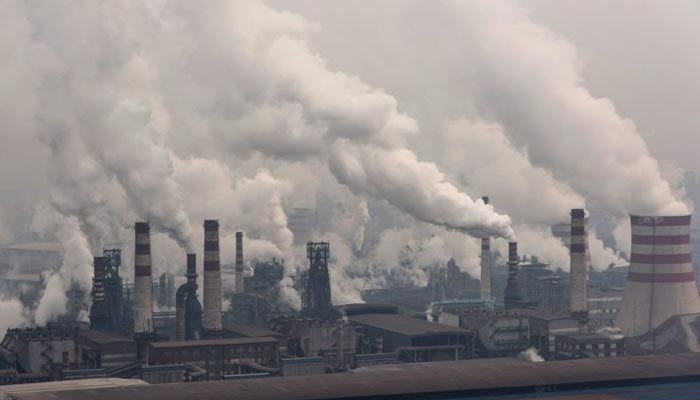
Over the past few years, Khyber District has witnessed significant growth in industrial activity. The establishment of small and large factories across various sectors has not only boosted the local economy, accelerated business activities, and created thousands of jobs, but has also raised important concerns regarding environmental pollution, public health, and workers' safety.
Local social circles, labor organizations, and residents are demanding that effective measures be taken to protect the environment and public health alongside industrial development.
According to available information, Khyber District is home to marble processing units, stone crushing plants, steel mills, cigarette manufacturing factories, plastic product units, ice factories, pipe manufacturing plants, and several other industrial facilities. The expansion of the industrial sector has increased local investment, reduced unemployment, and created new business opportunities.
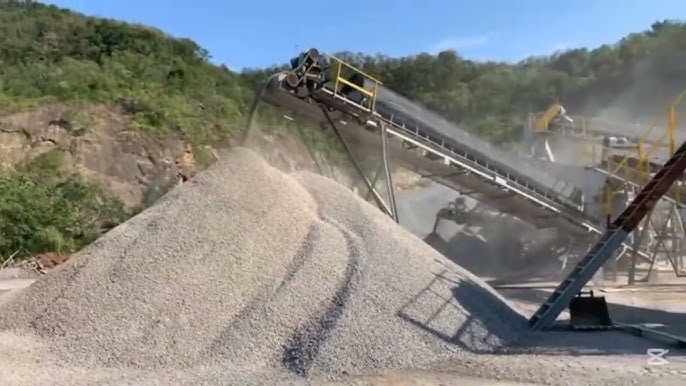
Business community representatives say that Bara has emerged as a major industrial hub of Khyber District, where numerous factories related to steel, marble, cigarette production, and other industries are operating. Similarly, Jamrud hosts an extensive network of marble and mineral-related industries, while Landi Kotal remains more focused on border trade and commercial business activities than industrial development.
Also Read : Northern KP on Alert as Heatwave Accelerates Glacier Melting
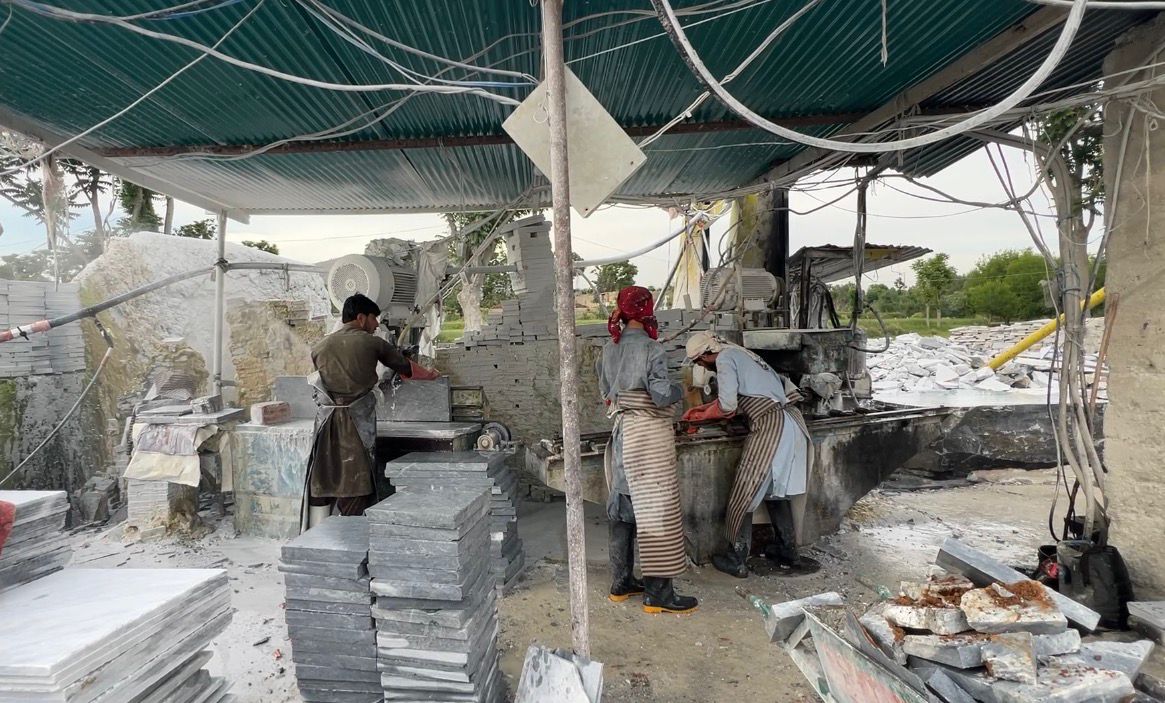
Alongside industrial growth, concerns about environmental impacts are also increasing. If industrial operations are not managed according to modern environmental standards, they can contribute to air pollution, excessive noise, dust, and waste-related problems. In particular, emissions from steel mills, marble crushing plants, and other industrial units can degrade air quality, while dust generated from stone and marble cutting creates difficulties for nearby communities.
Chest specialist Dr. Jabar Afridi says that air pollution directly affects human health. According to him, prolonged exposure to industrial smoke and dust can cause respiratory diseases, asthma, allergies, coughing, eye irritation, and various lung disorders.
He added that children, elderly citizens, and individuals already suffering from respiratory illnesses are the most vulnerable to air pollution. He emphasized that the use of environmentally friendly technologies and protective measures is essential to minimize public health risks while pursuing industrial development.

At the same time, the issue of workers’ rights and safety is becoming a major concern in Khyber District. Lal Wali Afridi, Deputy Secretary of Insaf Labor Wing Khyber Pakhtunkhwa, told TNN that more than 25,000 workers are employed in various industries across the tribal districts, particularly in Khyber, yet an effective protection system for them is lacking.
He stated that safety arrangements in many factories are inadequate, leading to workplace accidents from time to time.
According to him, several workers have lost their lives while on duty and many others have been injured, but there is no comprehensive compensation or relief mechanism for affected families.
Lal Wali Afridi urged the provincial government to link industrial registration with compliance to safety standards and establish a permanent welfare fund for workers. Such a fund, he said, would provide financial assistance and educational support to families and children affected by workplace accidents.
Workers employed in various industrial units in Bara have also highlighted their concerns and called for greater government attention. They stated that although a Labor Department office exists in Bara, workers do not receive adequate practical support.
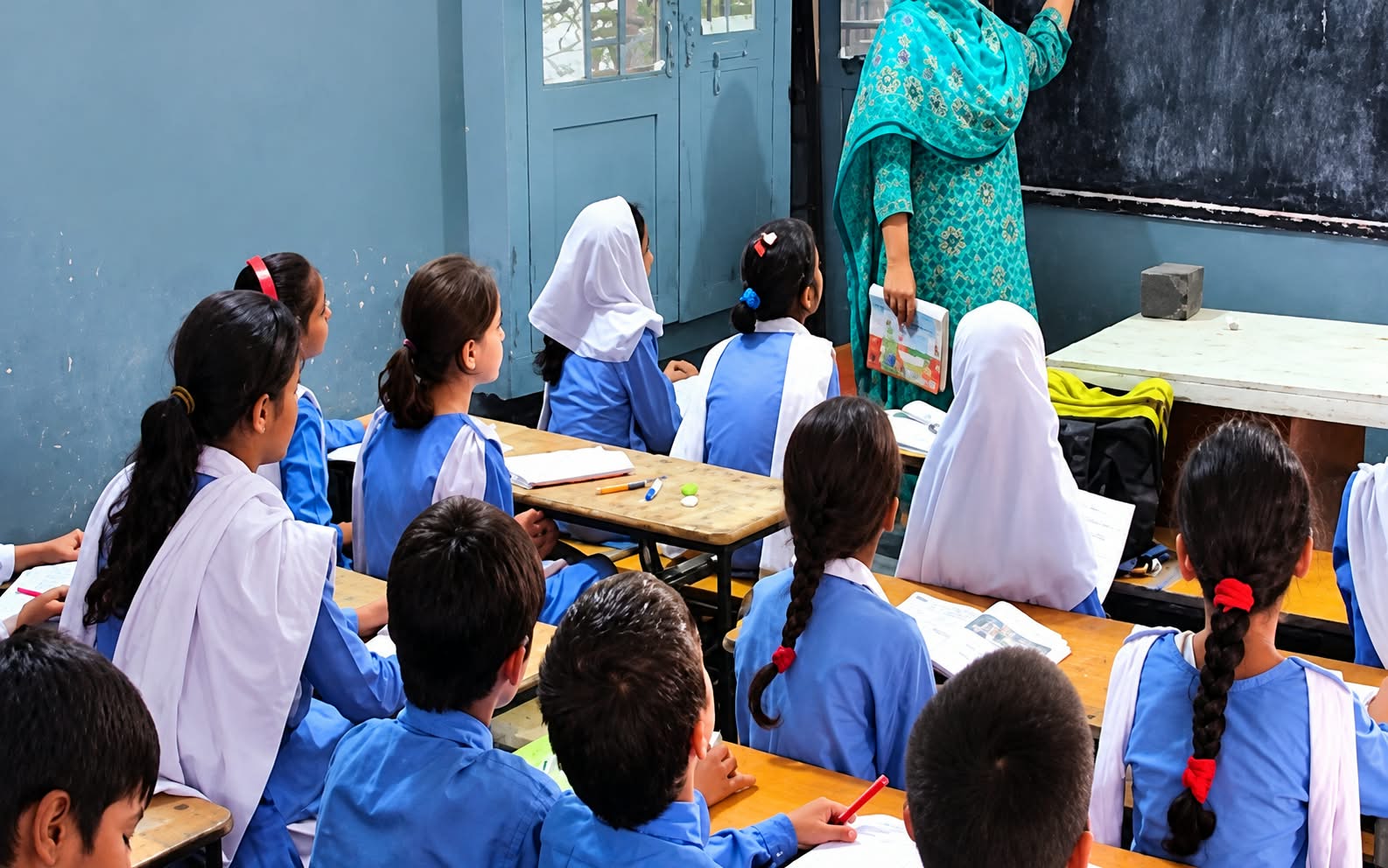
The workers demanded the establishment of a labor colony in Bara to provide proper housing facilities. They also called for the creation of Working Focus Grammar Schools, similar to those in Peshawar, so that children of laborers can receive free and quality education.
According to them, thousands of local workers are employed in dozens of industrial units in Bara, making it essential that they receive the same educational and welfare facilities available to workers in larger cities.
Meanwhile, district authorities and the Environmental Protection Agency (EPA) continue to take action regarding violations of environmental regulations. Sources indicate that legal proceedings against approximately 16 steel mills in Bara for environmental violations have reached their final stages.
The district administration, in collaboration with the EPA, issued first and second-stage notices to the relevant industrial units, while hearings of factory owners before the Director General of the Environmental Protection Agency have also been completed.
Officials say that all legal requirements have been fulfilled and the final decision now rests with the Director General of the EPA. If violations are confirmed based on hearings and available evidence, further legal action or closure orders may be issued against the concerned steel mills.
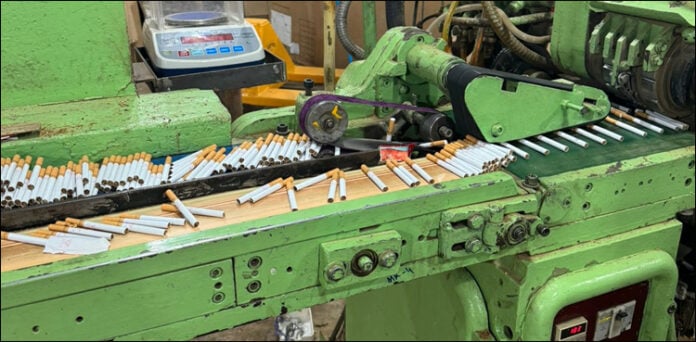
Speaking to TNN, Assistant Commissioner Bara Talha Rafiq stated that out of six cigarette manufacturing factories in Bara, only one is currently operational while the others remain closed. Similarly, only two of the six flour mills are active, while several steel mills and other industrial units continue operations at varying levels.
He said the district administration takes environmental pollution seriously and has already issued formal hearing notices to 16 steel mills. According to him, the administration has the authority to inspect, fine, and report violations under environmental protection laws, but only the Director General of the EPA has the authority to permanently close or seal an industrial unit.
Talha Rafiq further revealed that notices have also been issued to 23 additional industrial units, directing them to install filtration systems. He said inspections are conducted regularly and fines are imposed whenever filtration systems are found inactive or defective.
According to the Assistant Commissioner, some industrial units attempt to operate during nighttime hours with filtration systems turned off, leading to increased pollution. The administration is taking measures to curb this practice.
He cited the example of an active cigarette factory where complaints regarding smoke and unpleasant odors were received from local residents. Following administrative intervention, the factory installed modern filtration and exhaust systems, resulting in a significant reduction in public complaints.
Talha Rafiq added that several factories have already been fined for emitting smoke and failing to install filtration systems, while some responsible individuals have even been jailed under legal provisions. However, he reiterated that the authority to shut down industrial units does not rest with the district administration under the current legal framework.
Experts believe that industrial development in Khyber District is a positive step for the local economy and employment. However, to make this growth sustainable, it is essential to ensure environmental protection, worker safety, modern filtration systems, effective air-quality monitoring, and worker welfare measures.
Local residents share the same view, emphasizing that a balance must be maintained between industrial development and public welfare so that economic opportunities can expand without compromising environmental quality and public health.

.jpeg)

Comments
No comments yet. Be the first 🙂