


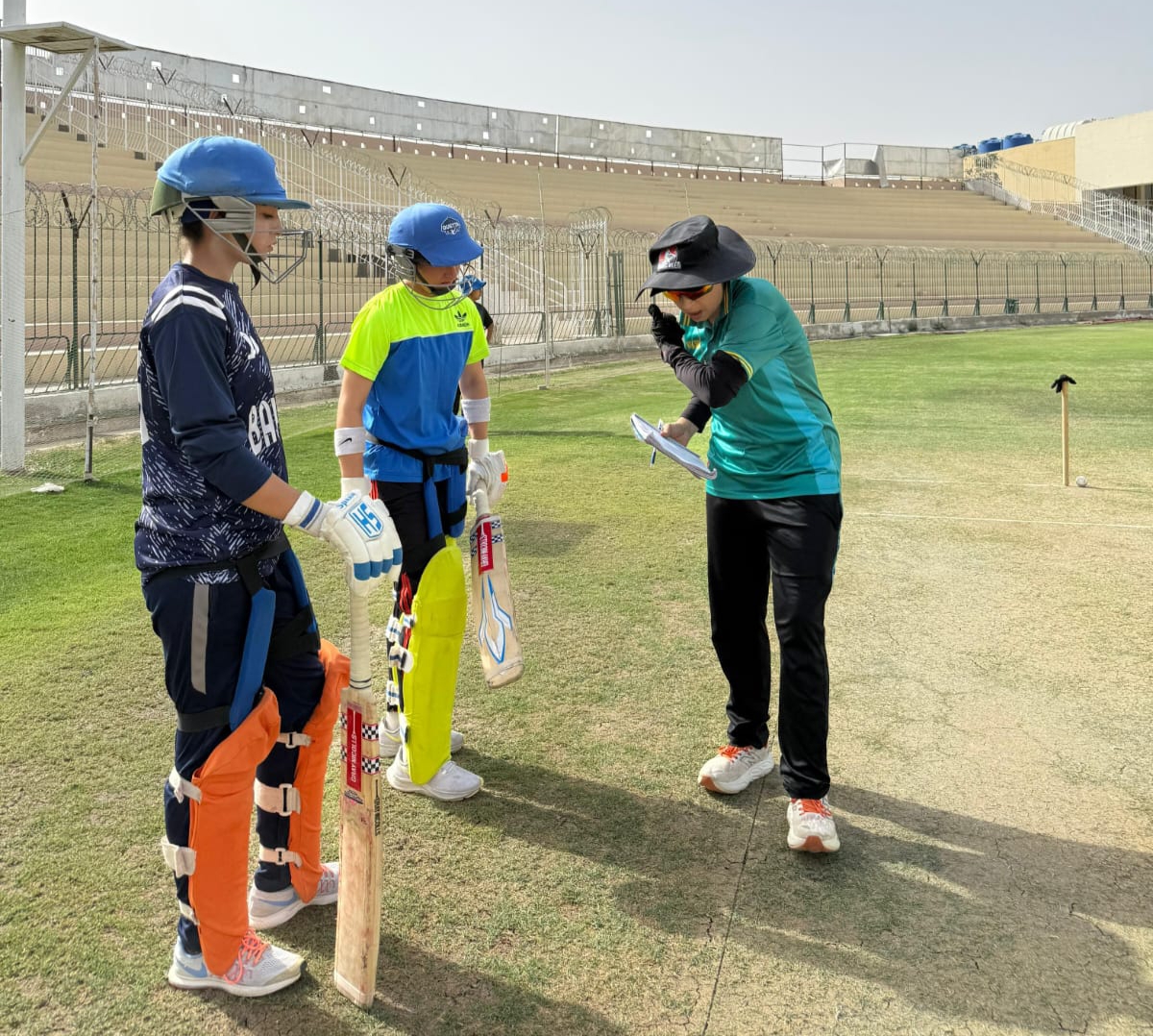
The ground is covered with the soft morning sunlight. Net practice is underway, and a few girls are practicing batting and bowling with full concentration. Standing among them is a woman who repeatedly guides them. Satisfaction and determination are clearly visible on her face.
She is Nahida Khan, the former captain of Pakistan’s national women’s cricket team from Balochistan, who is now training young girls in cricket.
There was a time when she faced severe criticism simply for wanting to play the game, and she even received death threats. However, with strong determination and courage, she confronted all the difficulties. Today, she has become an example not only for girls in Balochistan but across Pakistan.
Every year on International Women’s Day, celebrated on March 8 around the world, the aim is to highlight women’s social and economic achievements and to raise a voice for their rights and empowerment. In Pakistan as well, the struggles and successes of women from different fields are remembered on this occasion.
According to experts, the concept of women’s rights and empowerment is not limited to the modern era; clear examples of it also exist in Islamic history.
Also Read : When One Opinion Becomes a Nation: How Social Media Fuels Division in Pakistan
They say that examples of women’s empowerment can be found even during the era of the Rightly Guided Caliphate, when Umar ibn al‑Khattab assigned a female companion, Samra bint Nuhayk, the responsibility of supervising the marketplace in Makkah. She was responsible for preventing fraud and injustice in the market.
In this regard, Muhammad Mushtaq Ahmad, Chairman of the Department of Islamic and Arabic Studies at University of Swat, says that Islam granted women fundamental rights and an important social status.
According to him, Islam is the religion that gave women rights such as equality, inheritance, and participation in decision-making. He further says that the Prophet Muhammad (peace be upon him) emphasized respect for women and their rights at every stage. In his view, no society can be complete without the role of women.
Among the personalities practically working for women’s rights, Tabassum Adnan from Swat is a prominent name. She is the head of the organization Khwendu Jirga and is considered the first woman in Pashtun society to sit in a jirga and participate in decision-making.
Tabassum Adnan has received numerous national and international honors. She has been awarded dozens of awards in Pakistan and abroad for social services, peace, and human rights, including the International Women of Courage Award, the Nelson Mandela Award, and Pride of Pakistan Award, among other global recognitions.
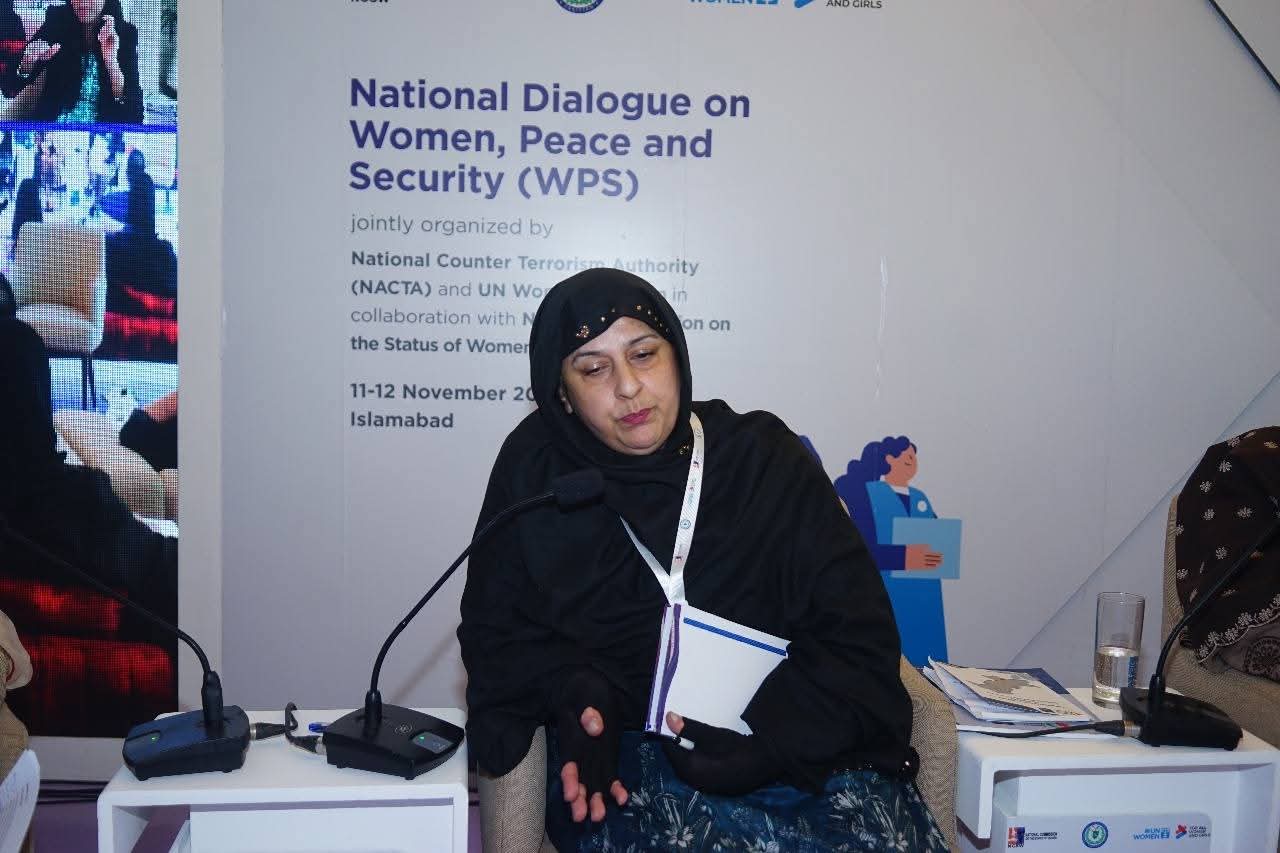
Tabassum Adnan says that in the past, many important decisions in her life were made by jirgas, which negatively affected her life.
After this experience, she decided that she would raise her voice for other women facing similar situations. With this idea, she established the Khwendu Jirga so that women could also be included in decision-making.
She explains that in the beginning she faced severe criticism and even her house was fired upon, but she did not step back. According to her, in Islamic history women were involved in trade, participated in wars, and even held important responsibilities such as supervising markets. Therefore, she tried to convince society that women’s active role is not something new.
According to Tabassum Adnan, if women are economically strong, they not only feel secure themselves but can also raise their children better and play a positive role in society. In her opinion, the government should introduce such programs that help women become economically independent.
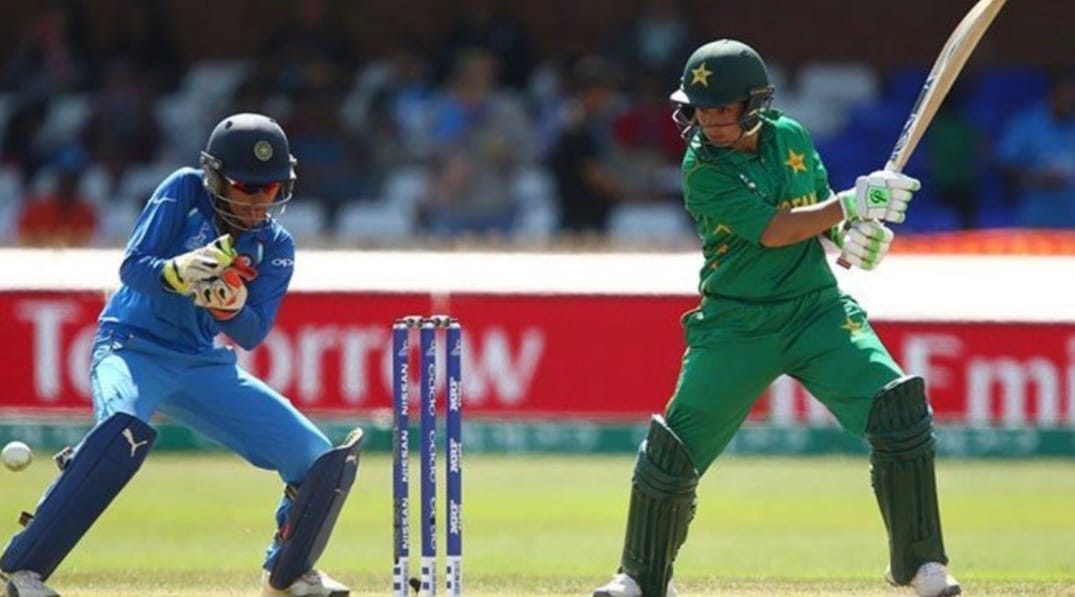
On the other hand, Pakistani women are also proving their capabilities in the field of sports. Former national women cricketer Nahida Khan from Balochistan is a clear example of this. She is the only female cricketer in the history of Balochistan and represented Pakistan’s women’s national team for 13 years.
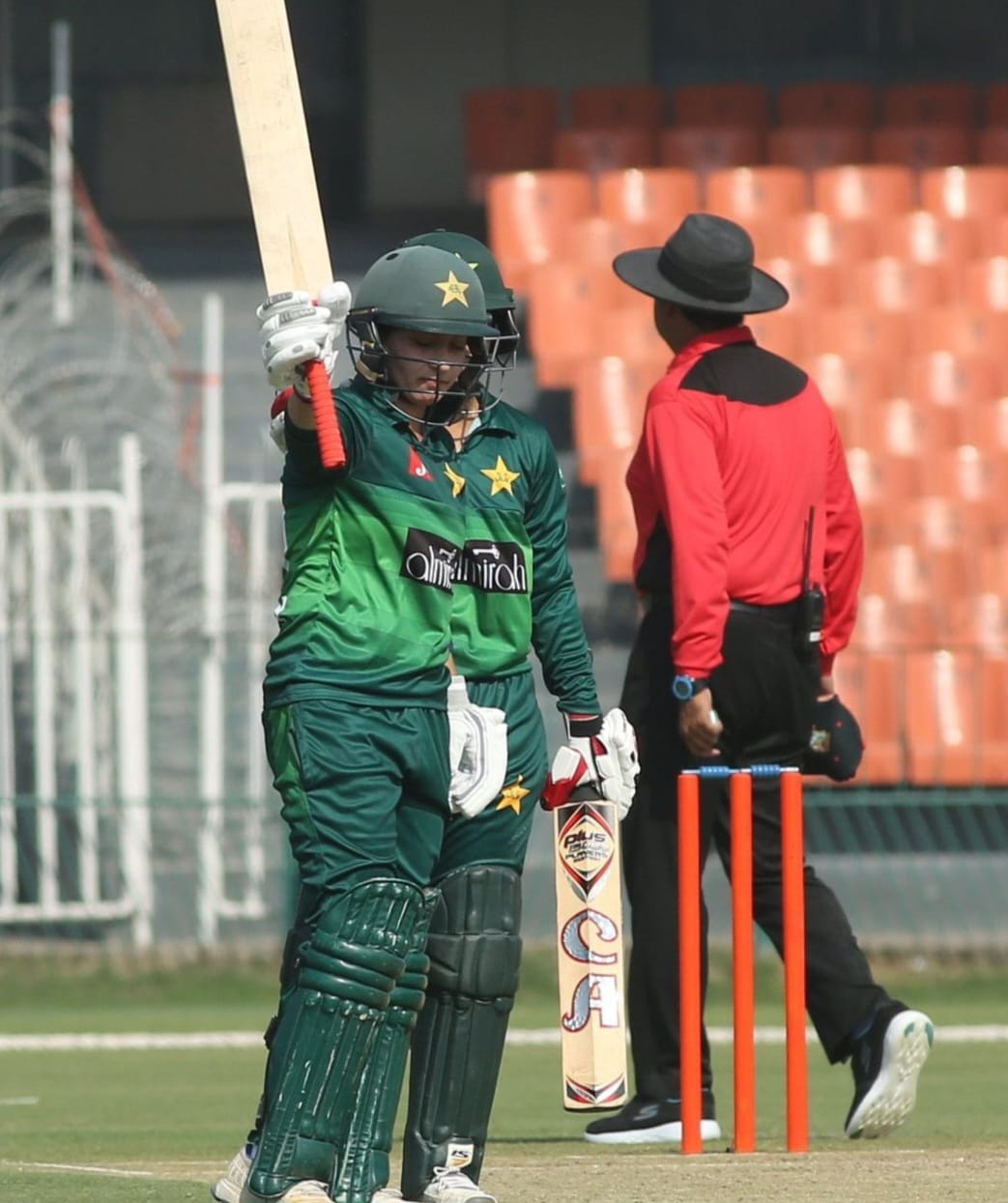
During her career, she played more than 100 international matches, participated in nine World Cups, and was part of the team that won a gold medal at the Asian Games. She has also served as captain of the Pakistan Women’s A team.
Currently, she is working in Balochistan as the head coach and development coach for women’s cricket, where she trains young players. She also holds the distinction of taking the highest number of catches for Pakistan’s women’s cricket team.
Nahida Khan says that empowering women in sports is very important because it not only improves physical and mental health but also develops confidence, leadership, and decision-making abilities.
According to her, when women participate in sports, they prove their abilities in society and become role models for other girls.
She says that at the beginning of her career she faced severe challenges because she belonged to a tribal Pashtun area where girls’ participation in sports is not considered easy. She faced harsh criticism and even death threats, but with her father’s support and continuous hard work she kept moving forward.
According to her, sports increase girls’ confidence and make them realize that they too can achieve great success. Nahida Khan says that her success carries a message for other girls—that with strong determination and continuous hard work, every dream can be turned into reality.
Among those working for social and legal rights is Neelam Abrar Chattan, a lawyer and social activist from Swat. She is active in helping women and needy individuals in society.
Neelam Abrar Chattan says that when she initially began raising her voice to help people, she also faced many difficulties.
According to her, when a woman steps out of her home to start social work, her character is often questioned. However, with time, when people saw her struggle and work, not only women but the entire society began to appreciate her efforts.
She says that today people trust her and also cooperate in helping those in need. According to her, many girls tell her that they want to do social work just like her.
According to Neelam Abrar Chattan, the lack of girls’ education in society is a major issue, and the government should ensure that education is made accessible not only up to matriculation but up to the university level, and as affordable as possible, so that financial difficulties do not become a barrier to girls’ education.
March 8 is not just a single day but an opportunity to remember the struggles, courage, and successes of those women who are moving forward despite obstacles in different fields.
Women active in areas such as religion, social service, sports, and law highlight the reality that when given opportunities and encouragement, women can not only change their own lives but also play a vital role in the progress of the entire society.

1.jpeg)

Comments
No comments yet. Be the first 🙂