


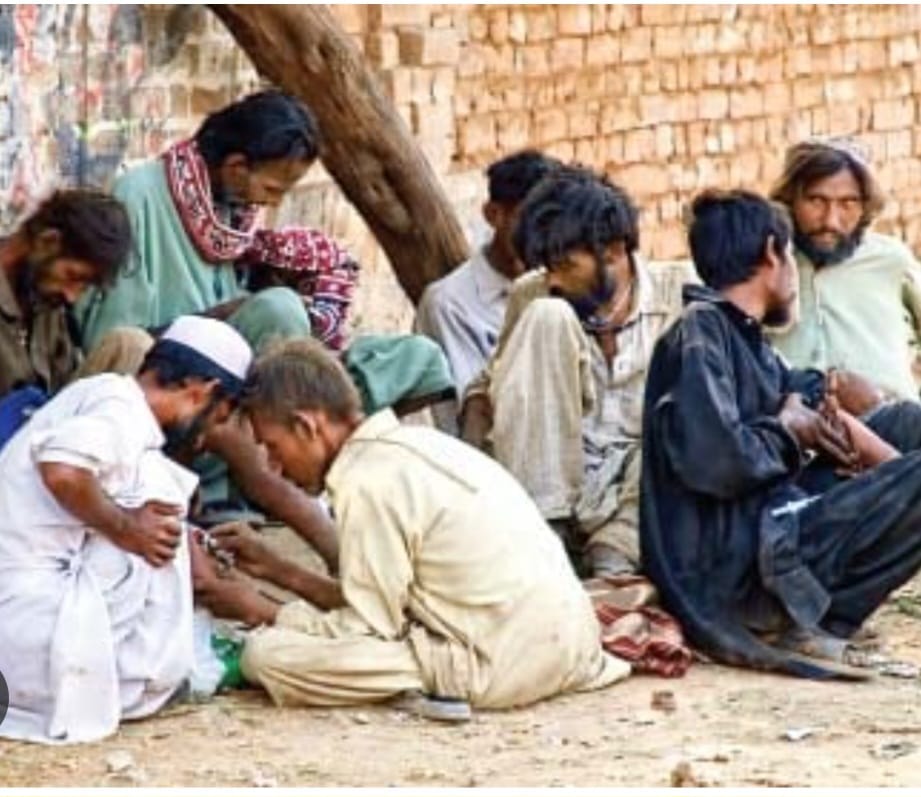
Addiction has become a problem in our society that silently destroys families. When a member of a household starts using drugs, at first everyone is worried. They try to explain, they get angry, they try different ways to stop them. But over time, they grow tired.
Gradually, they begin to think that this person can never improve. That is the moment when neglect begins. Family members stop caring as much, conversations become limited, and if the person spends more time outside the house, no one seems concerned.
Everyone starts distancing themselves. Even if the person falls ill, they are often ignored. As a result, the individual begins to feel completely alone. They start believing that no one truly belongs to them anymore.
A person addicted to drugs is already mentally, physically, and emotionally weak. When they do not receive acceptance and love in their own home, they break from within. They feel worthless and unwanted. This feeling pushes them further down the wrong path.
Also Read : Menstruation Isn’t Shame — Silence Is the Real Problem
Sometimes they fall into bad company, become involved in theft, or even take part in crimes they had never imagined before. This does not happen because they are inherently bad people, but because they have no support system.
We need to understand that addiction is not just a bad habit; it is a disease. Just as we do not abandon someone suffering from any other illness, a person struggling with addiction also needs treatment, attention, and love.
Unfortunately, in our society addiction is often associated only with shame. Families worry about what people will say, what relatives will think, and because of this fear they try to hide or ignore the problem.
But the truth is that ignoring a problem does not make it disappear; it only grows worse over time.
For this blog, I spoke to a young woman whose life story is a powerful example that even one sincere effort can change circumstances.
She shared that there were six sisters and one brother in her family. The brother was everyone’s favorite, but during his youth, due to bad company, he became addicted to drugs.
At first, the family tried hard to counsel him—sometimes with love, sometimes with anger. But when he did not change, they gradually lost hope.
Communication with him decreased. If he stayed away from home for days, no one worried much. If he became ill, people would simply say that it was the result of his own actions.
The parents suffered silently, and the sisters also kept their distance. The brother became isolated in his own home. This loneliness pushed him deeper into addiction, and his condition worsened day by day.
Among the six sisters, one—who was married—could not bear to see her brother in this state. She knew he was not a bad person; he had simply taken the wrong path.
Even after her marriage, she stayed in touch with him. Whenever possible, she visited him, listened to him, and reminded him that he was not alone.
She did not give up. Each time, she patiently spoke to him and gently explained how treatment could change his life. Finally, through her consistent love and encouragement, he agreed to seek treatment.
He was admitted to a good rehabilitation center. The journey of recovery was very difficult, but his sister continued to support him and remind him that his life was valuable. After continuous treatment, today he is completely recovered.
He no longer uses drugs, has restarted his life, and has regained the respect and trust of his family. All of this became possible because one sister chose care over neglect.
This story teaches us that abandoning an addicted person is not the solution. If we leave them alone, they may fall further. But if we hold their hand, they can recover. Love, attention, and treatment have the power to rebuild a broken life.
In the end, we must remember that every human being can make mistakes, but everyone also deserves a chance to recover.
If someone in our home is struggling with addiction, we should offer empathy instead of hatred. Perhaps one sincere effort, one prayer, and one decision to stand by them can change someone’s entire life.
Note: This article reflects the personal opinion of the author, and the organization is not necessarily in agreement with it.






.jpeg)
Comments
No comments yet. Be the first 🙂