


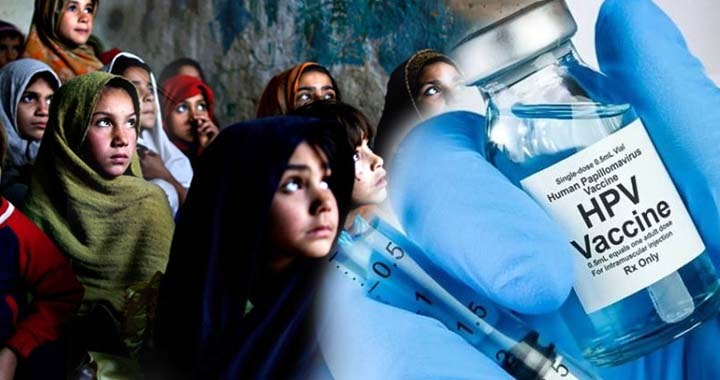
In a milestone move that could transform the future of women’s health in Pakistan, the government today launched the country’s first nationwide Human Papillomavirus (HPV) vaccination campaign, aimed at protecting adolescent girls from cervical cancer, a deadly but largely preventable disease.
Led by the Federal Directorate of Immunisation (FDI) in collaboration with Gavi, the Vaccine Alliance, UNICEF, and the World Health Organisation (WHO), this initiative positions Pakistan alongside more than 150 countries already administering the HPV vaccine.
First Phase Begins: 13 Million Girls Targeted
The first phase, launched today, will cover girls aged 9–14 years across Punjab, Sindh, Islamabad Capital Territory, and Pakistan-Administered Kashmir. The target: to vaccinate at least 90% of 13 million eligible girls during this phase.
From next year, the vaccine will be incorporated into Pakistan’s routine immunization program for all 9-year-old girls.
“This is more than a vaccine, it’s a shield against one of the leading causes of cancer deaths among women,” said Federal Health Minister Syed Mustafa Kamal during the official launch event in Islamabad.
He emphasized the government's full commitment to preventive care, particularly for young girls, and made an emotional appeal to parents:
“I urge every parent to protect their daughters. Don’t fall for false propaganda, this vaccine is safe, effective, and essential for securing a healthier future.”
How the Vaccine Will Be Delivered
The HPV vaccine will be free of cost and administered through a multi-pronged strategy:
Fixed centres
School-based campaigns
Mobile teams
Outreach posts in remote and high-risk areas
Special vaccination teams will also be deployed to ensure maximum coverage in underserved communities.
Why It Matters: A Single Dose Can Save a Life
Cervical cancer is caused primarily by the Human Papillomavirus, a common sexually transmitted infection. A single dose of the HPV vaccine can prevent the majority of cervical cancer cases.
“Every two minutes, a woman dies from cervical cancer globally, thousands of them in Pakistan alone,” said Thabani Maphosa, Chief Country Delivery Officer at Gavi.
“Thanks to Pakistan’s leadership, we now have the opportunity to protect millions of girls from this preventable disease.”
Gavi has already supported HPV vaccination for over 60 million girls worldwide. With Pakistan now on board, the Alliance aims to reach 86 million girls by the end of 2025, potentially preventing 1.4 million cervical cancer deaths in the decades to come.
A Global Step, A Local Lifeline
The introduction of the HPV vaccine in Pakistan marks a turning point not just nationally, but globally.
“This is a historic step for girls and young women in Pakistan,” said Pernille Ironside, UNICEF Representative in Pakistan.
“Vaccinating today’s girls means tomorrow’s women can grow, learn, and thrive without the fear of cervical cancer.”
Dr. Dapeng Luo, WHO Representative in Pakistan, highlighted that eight women die every day from cervical cancer in Pakistan. He affirmed that the HPV vaccine, prequalified by WHO, has a proven track record of safety and success across Muslim-majority countries and around the world.
“This is an investment in girls’ futures, in their families, and in the health of the entire nation,” he said.
Misinformation Still a Threat
Health officials acknowledged ongoing misinformation about the vaccine — including baseless rumors about its side effects, and urged parents, teachers, and community leaders to play a proactive role in promoting the campaign.
Mild side effects such as localized pain or low-grade fever may occur, as with any vaccine, but health authorities have reiterated that the HPV vaccine is safe, rigorously tested, and globally recommended.
The Road Ahead: From 13 Million to 17 Million by 2027
This campaign is just the beginning. By 2027, Pakistan aims to vaccinate over 17 million girls, drastically reducing cervical cancer risk for an entire generation of women.
As the campaign kicks off, the message is clear: a single shot today could save a life tomorrow, and the future of Pakistan’s girls is worth protecting.

.jpeg)
Comments
No comments yet. Be the first 🙂