


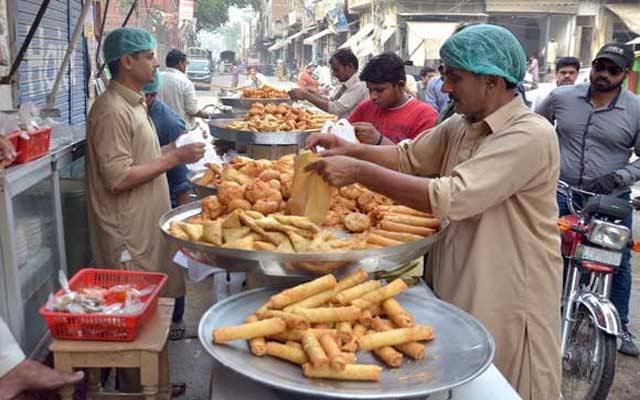
Ramadan teaches us patience, tolerance, and discipline. After fasting the entire day, people naturally wish to see all their favorite foods on the table at the time of iftar.
That is why in our homes and markets, samosas, pakoras, jalebis, kachoris, and other fried items are prepared and consumed more frequently during this month. But have we ever considered what impact this temporary taste has on our health?
I discussed this topic with Sajid Iqbal, Consultant Nutritionist at Lady Reading Hospital Peshawar. According to him, the issue is not just samosas or pakoras, but the excess oil used in them.
Also Read : From Threats to Triumph: Pakistani Women Breaking Barriers Across Fields
Oil is rich in calories, and when food is deep-fried, it absorbs a large amount of oil. As a result, within a few minutes we may consume more calories than our body actually requires for the entire day.
He explained that since eating hours are limited during Ramadan, people often overeat at iftar. If this overeating consists mainly of fried foods, gaining three to four kilograms in a month is not unusual.
According to Sajid Iqbal, foods high in fat also put pressure on the stomach. Eating fried items immediately after iftar can increase complaints of acidity, gas, and indigestion.
Some people also experience heartburn and stomach pain during Ramadan, and one major reason is heavy, oily food. Continuous consumption of fatty foods can also put pressure on the liver, especially for those who already suffer from fatty liver disease.
He also pointed out another important issue: in markets, the same oil is often reheated and reused repeatedly. This process can produce harmful compounds that may increase the risk of various diseases over time. Therefore, if fried food is to be eaten, it is better that it is freshly prepared at home with less oil.
Regarding iftar, Sajid Iqbal recommends starting with dates and water, followed by fresh fruits. Whole fruits are a better option than juices because they contain fiber.
After that, foods containing adequate protein such as chicken, fish, meat, or lentils can be included. Salads and vegetables should also be part of iftar, as fiber-rich foods help fill the stomach and maintain balanced sugar levels.
About sehri, he says that relying only on tea and paratha is not ideal. Sehri should provide energy for the entire day. Eggs, yogurt, lentils, beans, porridge, and whole-wheat bread are better options. Foods rich in fiber and protein help control hunger for a longer period.
He added that not only fried foods but also excess sweets, refined flour products, bakery items, and soft drinks should be consumed in moderation. These foods provide energy temporarily but quickly cause a drop in blood sugar levels, leading to hunger again and resulting in overeating.
In fact, Ramadan provides an excellent opportunity to improve our eating habits. If people adopt a balanced diet with less oil and sugar during this month, these habits can help them maintain a healthier lifestyle throughout the year.
According to Sajid Iqbal, fried foods may offer temporary taste, but excessive consumption can lead to weight gain, digestive problems, and other health issues. Therefore, instead of making Ramadan only about eating and drinking, it should be used as an opportunity to adopt a healthier way of living.
Note: This article reflects the personal opinion of the author and does not necessarily represent the views of the organization.


.jpeg)
Comments
No comments yet. Be the first 🙂