


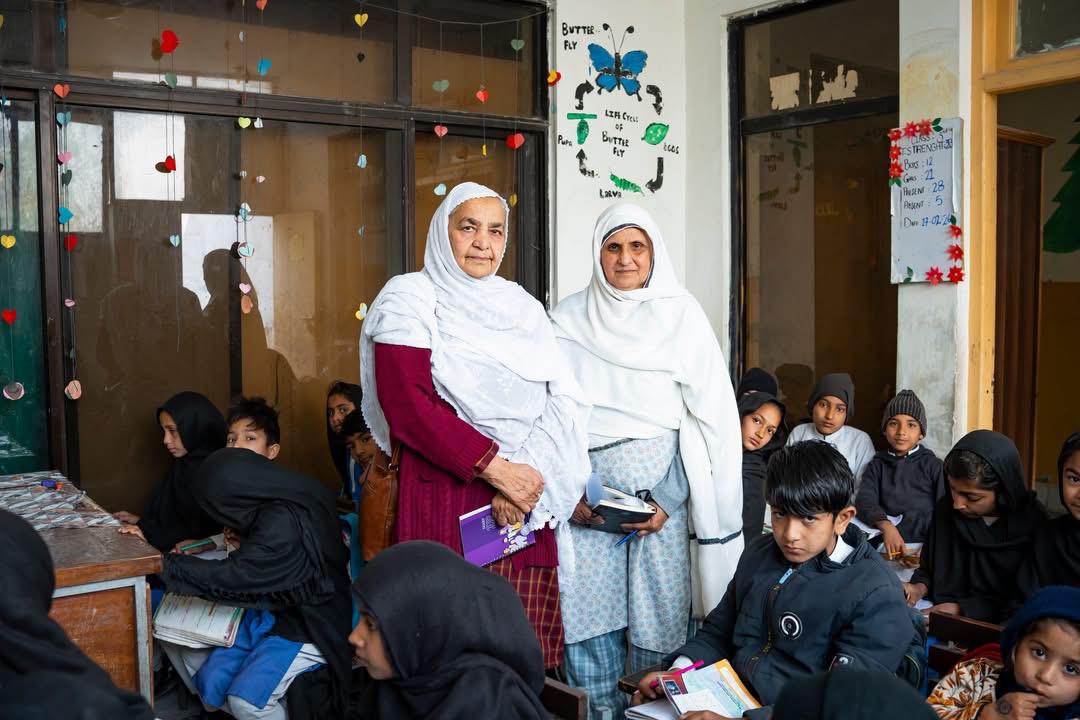
In a modest office in Peshawar, surrounded by certificates and memories of decades of activism, 72-year-old Mariam Bibi continues the work that has defined her life: ensuring that every child—especially every girl—gets a chance to go to school.
For nearly three decades, Mariam has been knocking on doors, sitting with parents, and persuading communities in some of the most conservative parts of Khyber Pakhtunkhwa that educating girls is not just a privilege—it is a necessity.
“Education is protection,” she says with quiet conviction. “It improves health, prevents child marriage and gives families hope. Education is everything.”
Her own story is proof of that belief.
A Personal Journey that Sparked a Movement:
Mariam grew up in a remote and underdeveloped area where girls’ education was rare. But her father insisted she study—a decision that changed the course of her life.
She eventually graduated from Jinnah College for Women in Peshawar, an opportunity that would later inspire her to transform thousands of lives.
In 1994, Mariam founded Khwendo Kor, meaning Sister’s Home, an initiative aimed at bringing education to communities where schools were either inaccessible or socially unacceptable for girls.
Since then, more than 50,000 children have completed primary and secondary education through programs supported by her organization. Many have gone on to become doctors, teachers, and professionals—some even returning to teach in the very classrooms where they once sat as students.
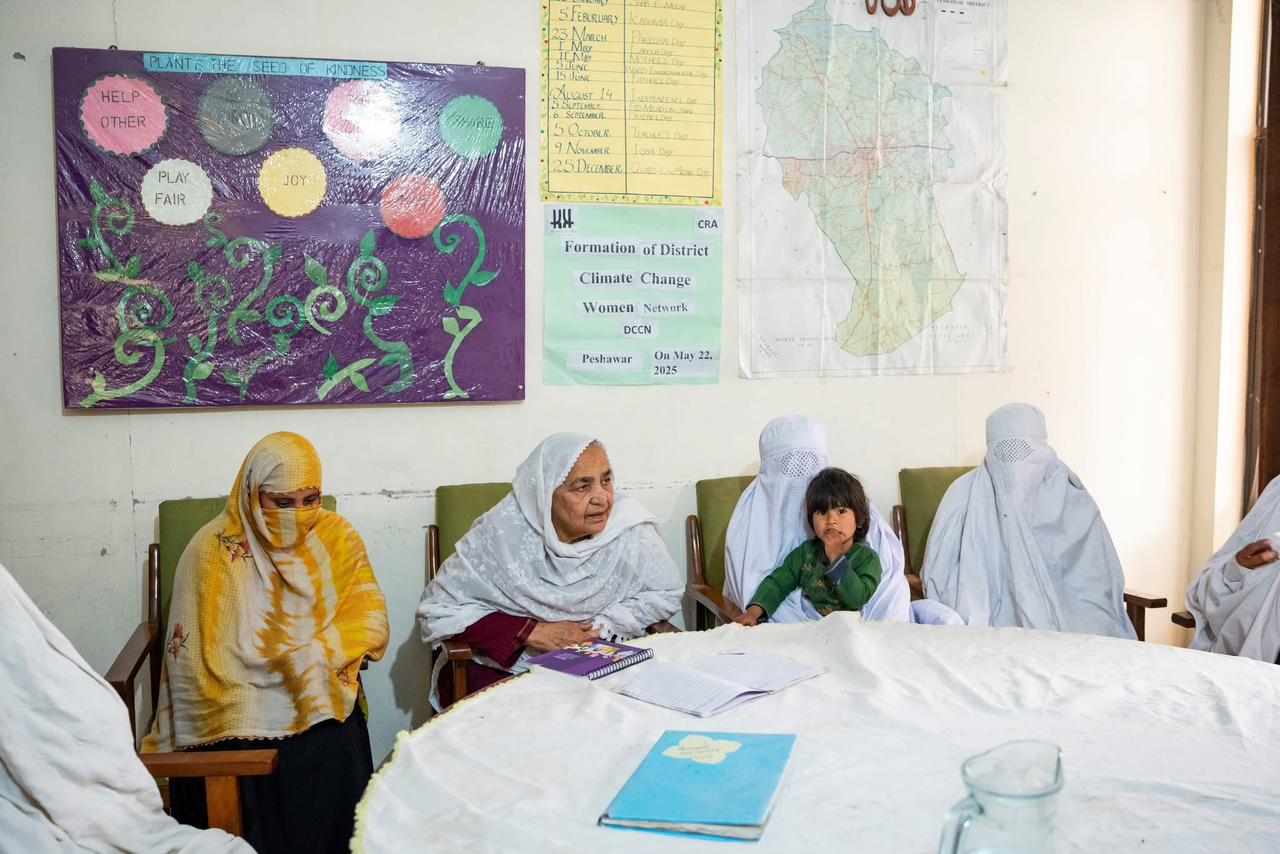
The Invisible Barriers:
Despite progress, the challenges remain immense.
In Khyber Pakhtunkhwa alone, nearly 4.9 million children are out of school, including around 2.9 million girls. Poverty, distance from schools, household responsibilities, and deeply rooted social norms continue to keep children—especially girls—away from classrooms.
“You cannot just tell a mother to send her daughter to school,” Mariam explains. “She may say the girl must fetch water or help at home. Everything is connected.”
Understanding these realities has shaped Mariam’s approach to education. Instead of imposing solutions, she works closely with families and community leaders, building trust and gradually shifting attitudes.
Bringing Community Voices to Policy:
Today, Mariam’s grassroots experience is helping shape education policy at a higher level.
She is a member of the Local Education Group (LEG)—a platform supported by UNICEF and funded by the Global Partnership for Education. The group brings together government officials, civil society organizations, and development partners to coordinate efforts and strengthen the education system.
For Mariam, this seat at the table is crucial.
“We reflect the realities on the ground so decision-makers can understand what is really happening,” she says. “These realities must shape the solutions.”
The platform has already strengthened collaboration between partners and helped align development programs with the province’s Education Sector Plan 2020–2025.
“The biggest victory is that the government is listening,” she adds. “Local partners are now part of the conversation.”
Education for the Future:
But Mariam believes the next phase of education reform must go even further.
She advocates for stronger teacher training, expanded access to schools in remote areas, and the integration of digital technology into classrooms. She also warns that climate change and economic pressures could create new barriers to education if systems are not prepared.
“We cannot plan for education without planning for the future,” she says. “Education must be inclusive, participatory and ready for the 21st century.”
One Girl Can Change a Community:
Despite the obstacles, Mariam remains deeply hopeful.
Over the years, she has witnessed remarkable transformations—girls who once struggled to attend school becoming doctors, teachers and leaders in their communities.
Each success reinforces her belief that education is the most powerful tool for breaking cycles of poverty and inequality.
“I will keep fighting for education until the end of my days,” she says.
Then she pauses and smiles.
“If one girl graduates, she can change many lives.”
And for Mariam Bibi, that possibility makes every struggle worthwhile.
Note: The article was first appeared on UNICEF website and here is republished for TNN audience.

.jpeg)
Comments
No comments yet. Be the first 🙂