


_(1).jpeg)
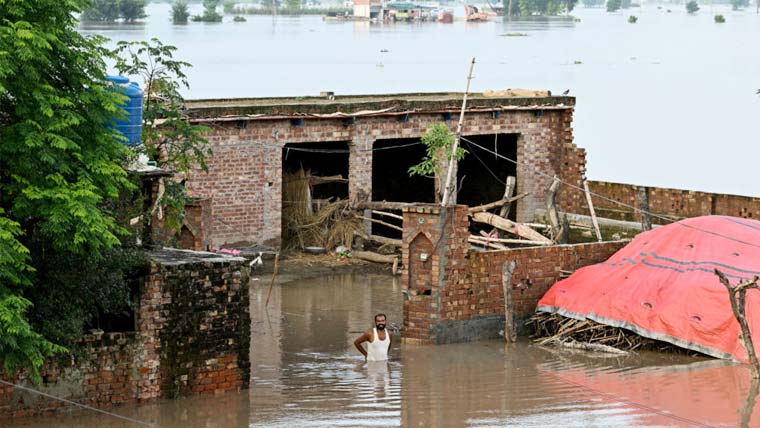
Pakistan's 2026 monsoon season has once again highlighted the growing threat of floods and flash floods. As of 21 July 2026, at least 53 people had lost their lives in monsoon-related incidents across the country, while 18 people were killed in Khyber Pakhtunkhwa due to recent heavy rains and flash floods.
These incidents included the collapse of roofs and walls, people being swept away by sudden flash floods, and other rain-related accidents.
The current situation serves as a stark reminder that advance preparedness and precautionary measures are essential to reduce the loss of life and property caused by floods and heavy rainfall.
At present, people across different parts of Pakistan are facing significant challenges due to heavy rains and flooding. While some areas continue to experience torrential rainfall, water levels in rivers, streams, and seasonal waterways are steadily rising.
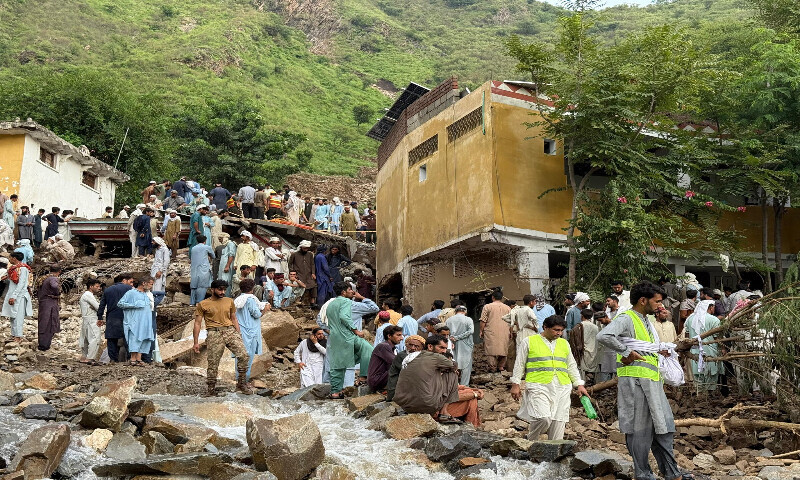
In such circumstances, remaining calm and preparing in advance is far wiser than panicking. Although floods are a natural disaster, proper planning and timely precautions can go a long way in protecting lives and property.
Develop a Family Emergency Plan:
One of the most important steps before a flood is to develop an emergency plan with all members of your household. Every family member should know where to go if water levels rise suddenly, which evacuation route to follow, and whom to contact for help in an emergency.
Special attention should be given to children, older adults, persons with disabilities, and those with medical conditions, as they are likely to require assistance during an emergency evacuation.
Prepare an Emergency Kit in Advance:
Access to basic necessities can become difficult during floods, making it essential to prepare an emergency kit beforehand. The kit should include clean drinking water, non-perishable food, biscuits, dates, baby food, essential medicines, and other everyday necessities.
It should also contain a flashlight, spare batteries, matches or a lighter, a first-aid kit, soap, hand sanitizer, face masks, and extra clothing.
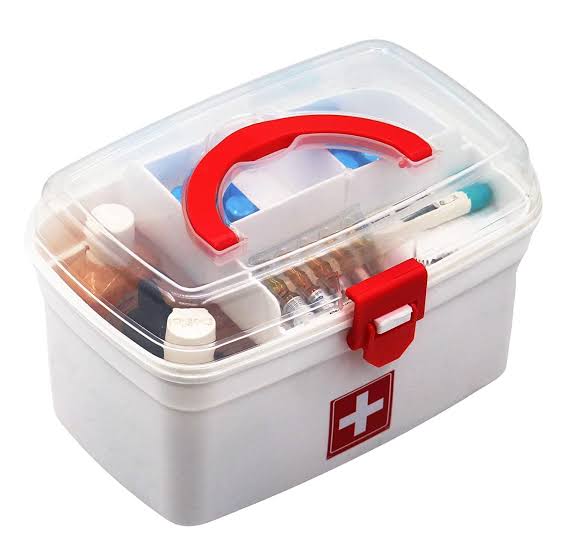
Keep your mobile phone, charger, and power bank fully charged in case of power outages. If anyone in your household depends on daily medication, make sure to keep an additional supply readily available.
Protect Important Documents:
Floodwaters can damage household belongings, making the protection of important documents a priority. Keep your national identity card, passport, educational certificates, property documents, bank records, and other important papers in a waterproof folder or a sealed plastic bag.
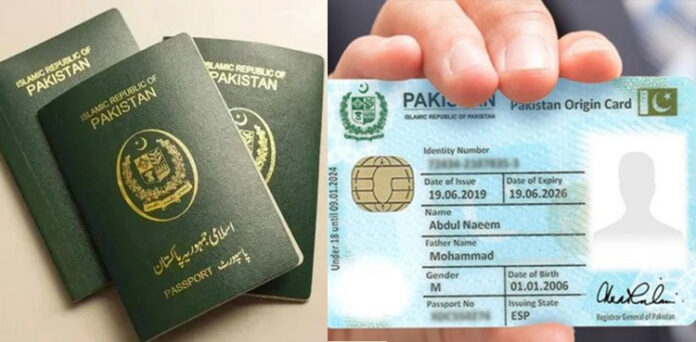
It is also advisable to save digital copies or scanned versions of these documents on your mobile phone or in secure cloud storage. This will ensure that your information remains accessible even if the original documents are lost or damaged.
Also Read : The World Created the Climate Crisis, but Pakistan Continues to Bear Its Heaviest Consequences
Choose a Safe Location in Advance:
Before flooding occurs, identify the safest place in your area. If there is a risk of floodwater entering your home, decide in advance where your family will relocate. Higher ground, government relief centres, or evacuation sites designated by the local administration are generally the safest options.
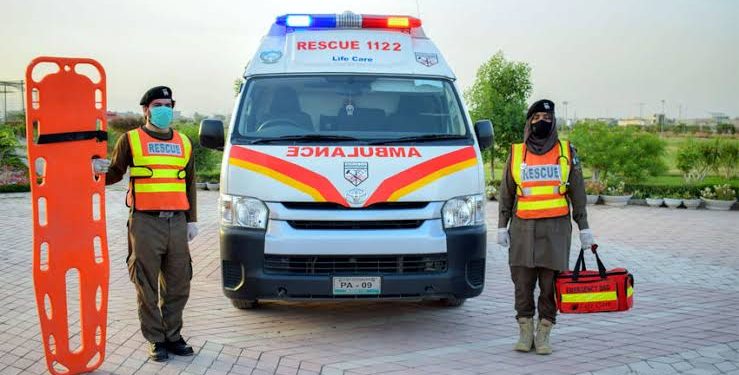
If local authorities or rescue agencies instruct residents to evacuate an area, follow their instructions immediately. Never go near floodwaters, stand on bridges, or attempt to walk or drive through fast-moving water, as it is impossible to accurately judge its depth and strength.
Take Preventive Measures to Protect Your Home:
Before the flood season, inspect your home's roof, doors, and windows to identify and repair any potential weaknesses. Move electrical appliances, valuables, essential furniture, and other important belongings to higher levels to minimise water damage.
If there is a possibility that floodwater may enter your home, learn in advance how to safely switch off the main electricity supply and gas connection. However, if floodwater has already reached the electrical system, do not touch any electrical wires or appliances.
Keep Emergency Contact Numbers Handy:
Access to timely assistance can save lives during a flood. Save the emergency contact numbers of local rescue services, the police, district administration, hospitals, and other relevant authorities on your mobile phone. Make sure every member of your household knows these numbers so they can seek help without delay.
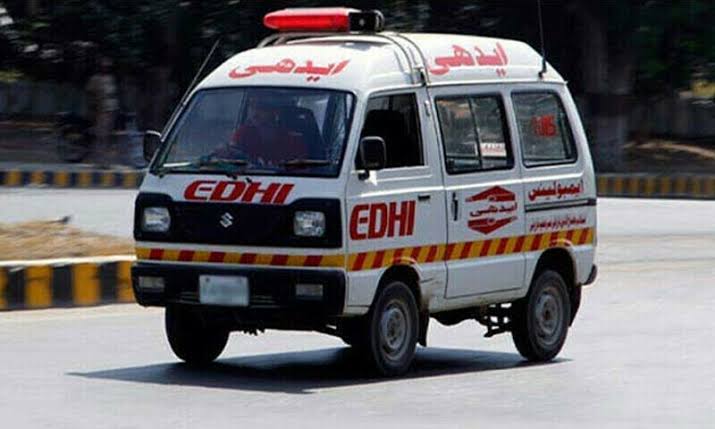
In Pakistan, emergency assistance is available through Rescue 1122. Stay updated with the latest advisories issued by your local administration and relevant authorities. Rather than relying on unverified information circulating on social media, always obtain updates from official and credible sources.
Prioritise Children's Safety:
Children should never be allowed near floodwaters, as they often cannot recognise the dangers involved. Teach them in advance to stay away from floodwater and contaminated water at all times.
Protect Livestock and Pets:
If you have livestock or pets, make arrangements to keep them in a safe place. If possible, move them to a secure location before flooding occurs to protect them from harm.
Preparedness, Timely Action, and Good Judgment Are the Best Protection
The current spell of heavy rainfall and flooding has once again demonstrated that the most effective way to reduce the impact of natural disasters is through preparedness. Even small precautionary measures can make a significant difference during an emergency.
Preparing an emergency kit, safeguarding important documents, identifying a safe evacuation site in advance, keeping emergency contact numbers readily available, and following official advisories are responsibilities that every household should take seriously.
It is equally important to remain calm, make informed decisions, and help those around us during a flood. By looking after our families, neighbours, and especially children, older adults, persons with disabilities, and those who are ill, we can respond to such emergencies more effectively.
Preparedness, timely action, and responsible behaviour remain our strongest defence against floods and other natural disasters.
Note: The views expressed in this article are those of the author and do not necessarily reflect the views of the organisation.
.jpeg)
.png)
1.jpeg)



Comments
No comments yet. Be the first 🙂