


In recent years, Afghan refugee families have faced increasing economic and social challenges in neighboring countries. Many who once relied on small businesses for survival are now struggling to maintain their livelihoods. One such story comes from an Afghan family that had been living in Peshawar, where changing economic conditions forced them to shut down their small shop and search for alternative ways to survive.
A Small Business That Supported a Family:
Like many other Afghan refugees, this family moved to Pakistan hoping to find stability and economic opportunity. The head of the household opened a small shop in a local market in Peshawar, which soon became the family’s only source of income.
For several years, the shop helped them cover daily expenses such as food, rent, and education for their children. Running a small shop required long hours of work and dedication, but it also gave the family hope for a better future.
According to the family, life was not easy, but the business allowed them to live with dignity and independence.
Economic Pressure and Declining Sales:
Over time, however, the situation began to change. Economic conditions in the market gradually worsened, and the number of customers decreased. Sales dropped significantly, and the shop could no longer generate enough income to support the family.
The shop owner explained that maintaining the business became increasingly difficult. Daily expenses continued to rise while earnings declined. This created a constant financial struggle for the family.
Also Read : Behind the Screens: How Social Media Is Becoming a Trap for Young Girls
In addition to economic pressure, uncertainty around refugee conditions and documentation added further stress. Many Afghan refugees living in Peshawar experience similar challenges when trying to maintain businesses or stable employment.
A Difficult Decision:
After months of financial hardship, the family faced a painful choice. They were ultimately forced to sell their small shop at a loss in order to cover urgent expenses.
For the family, the decision was heartbreaking. The shop represented years of hard work, sacrifice, and hope.
“We spent years building this small business,” the shop owner said. “It was not just a shop for us—it was our livelihood. But when sales continued to fall and expenses increased, we had no option but to sell it.”
The closure of the shop marked the end of an important chapter in the family’s life.
Turning to Manual Labor:
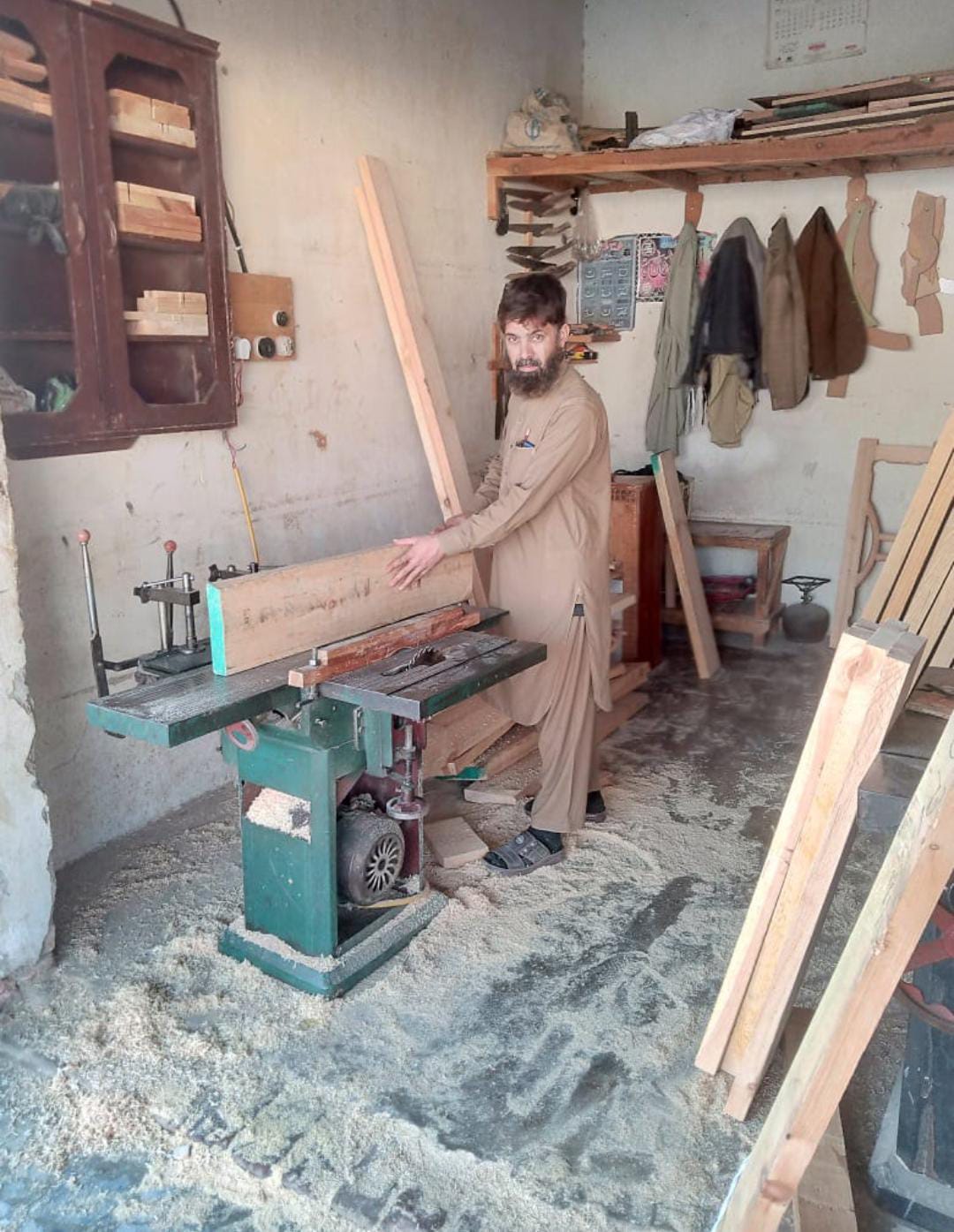
After selling the shop, the head of the family had to search for other ways to earn money. Today, he works as a daily laborer, sometimes taking carpentry jobs and sometimes doing manual work in local markets.
These jobs are physically demanding and often provide uncertain income. Nevertheless, he continues working to support his family and meet their basic needs.
The family’s children have also been affected by the sudden change in their financial situation. Managing household expenses has become more difficult, and the family must carefully plan every aspect of their daily life.
A Wider Reality for Many Refugees:
The experience of this family reflects the reality faced by many Afghan refugees living in Peshawar. Small businesses often serve as a lifeline for refugee families, but economic instability can quickly threaten their survival.
Experts note that small businesses are particularly vulnerable during economic downturns. When markets weaken or regulations change, those with limited financial resources are often the first to be affected.
Refugee communities are especially vulnerable because they often rely on informal employment and small-scale trade to sustain their livelihoods.
Resilience Despite Challenges:
Despite the difficulties they face, Afghan refugee families continue to show resilience. Many remain determined to work hard and provide better opportunities for their children.
The story of this family is a reminder that behind every economic statistic are real people struggling to build stable lives under challenging circumstances.
Conclusion:
The challenges faced by this Afghan family highlight the importance of economic opportunities and support for vulnerable communities. Access to stable employment and support for small businesses could help many refugee families rebuild their livelihoods.
While the closure of their shop was a painful experience, the family continues to hope for a better future through hard work and perseverance.


.jpeg)
Comments
No comments yet. Be the first 🙂